

People Story
Steve's Story: From military deployments to maintaining mission-ready aircraft
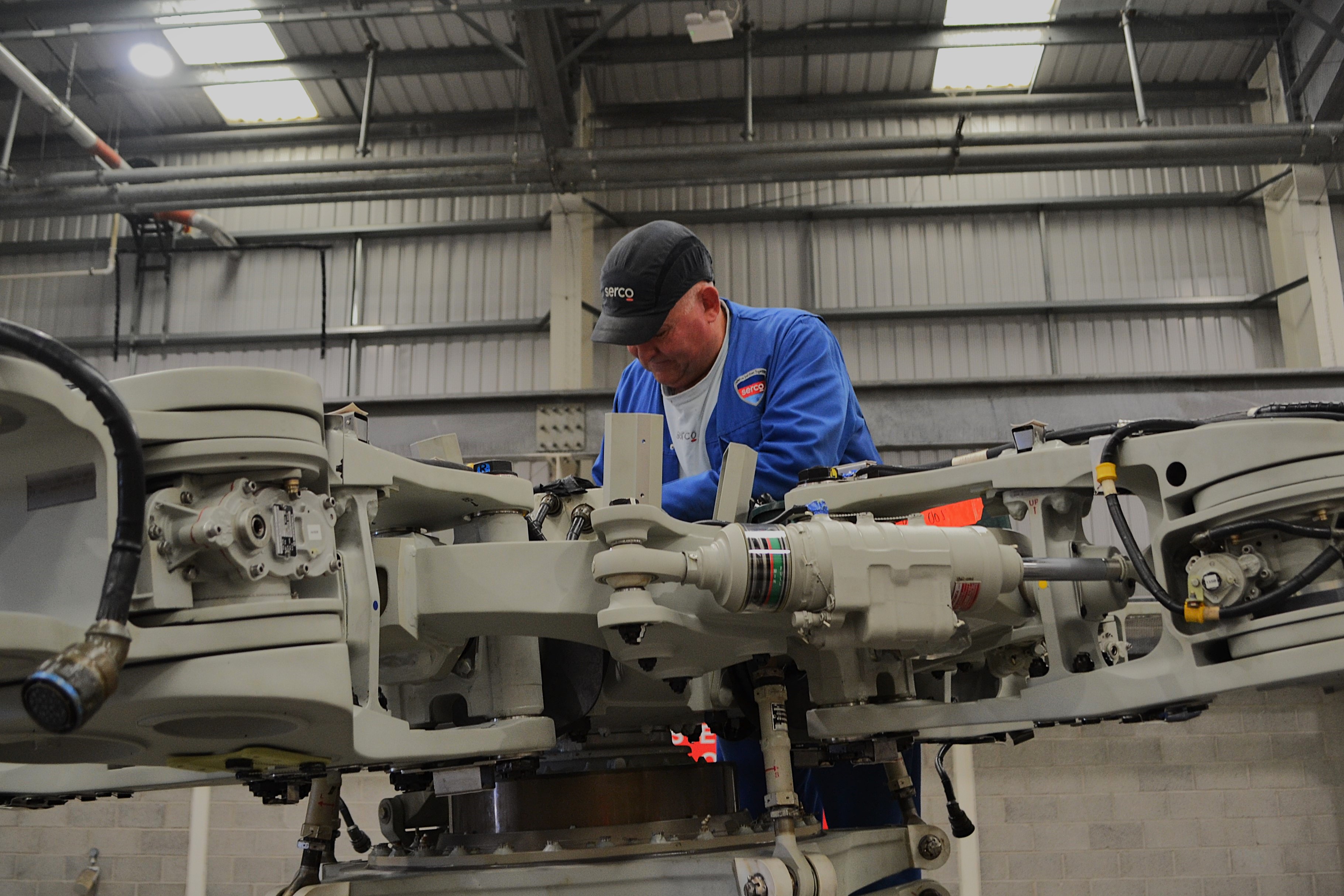
From war zones to workshops, Steve’s career has taken him across the world and back again. Today, he’s an Aircraft Fitter at RNAS Culdrose in Cornwall – part of Serco’s team supporting the Royal Navy.
“I joined the Navy in 1997 at the age of 27 – a bit older than most recruits,” Steve explains. “I trained in air engineering and spent 22 years in service. I’ve been to war zones, seen things I’ll never forget, and visited places I never thought I’d see". Alongside the discipline he honed as a semi-professional footballer before joining Serco, Billy’s impressive career growth has also been powered by the unwavering support and training he’s received, enabling him to rise quickly within the organisation.
After leaving the Navy, Steve took time to travel – including an eight-week solo van trip across New Zealand. When he returned, a chance encounter with former colleagues led him to hear about an opportunity at RNAS Culdrose. He applied for the role and was invited to interview the very next day. “It all came together quickly,” he says. “It felt like the right fit – and I was ready to get back to doing what I do best.”
As an Aircraft Fitter, Steve works hands-on with Merlin helicopters, supporting the Navy’s operational needs. “The joy of this team is the depth of experience,” he says. “We’ve got around 400 years of combined aviation knowledge between us – not just the hands-on work, but the paperwork, the wider picture.”
That experience is invaluable for newer team members. “We’ve got a young guy, Jordan, who joined as an apprentice. He started out shy, but now he’s confident, skilled, and fits right in. The growth we’ve seen in him is incredible, and his skill set has massively evolved just by being immersed in the team. For someone just starting out, it’s a brilliant career choice”.
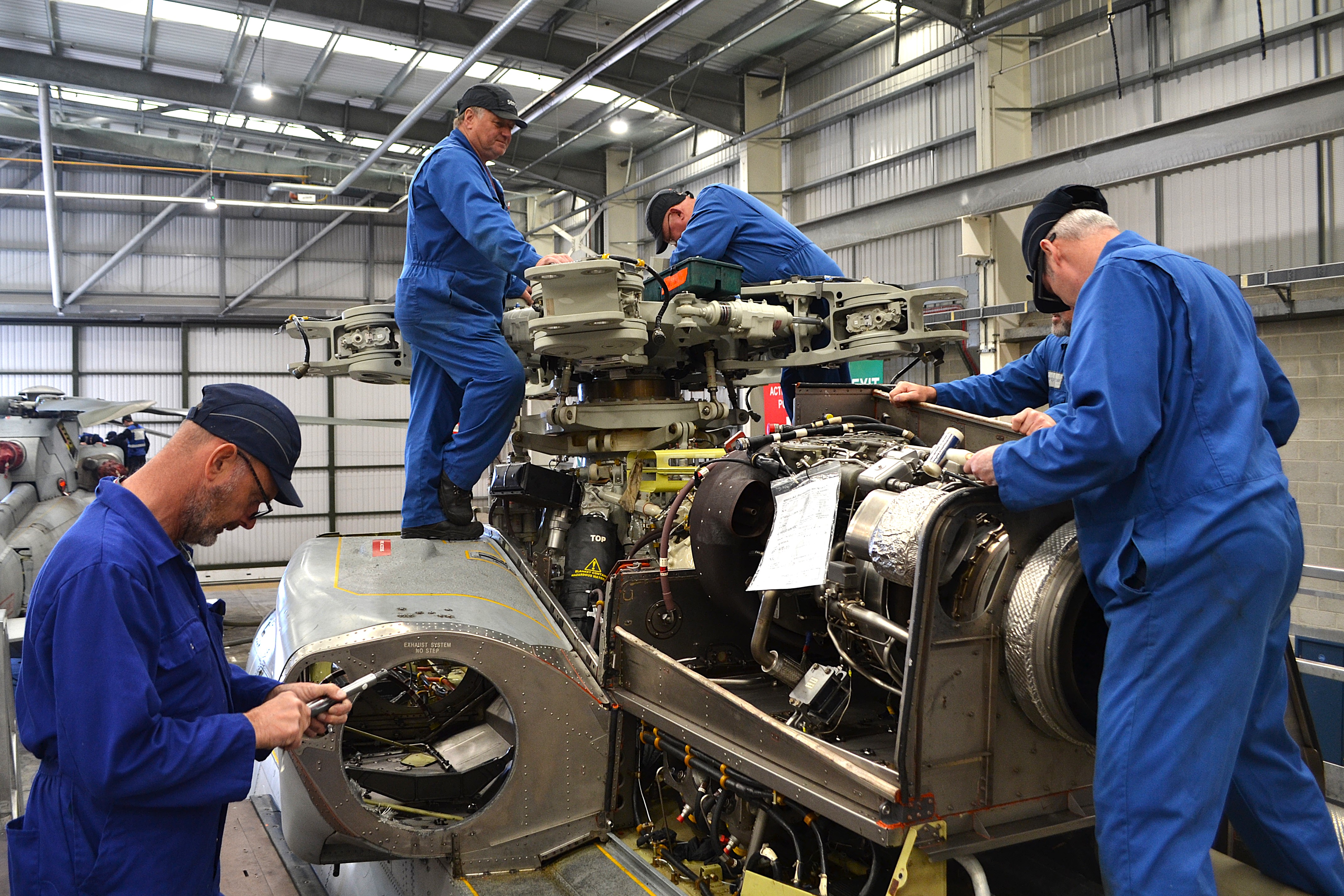
Steve’s work directly supports the Navy’s ability to deploy and operate safely. “This aircraft we’re working on now was in a million pieces when we took it over. We’re close to signing it off now. If the squadron had to do it themselves, it would tie up so many people for so long – we help make sure they’re able to fly.”
“We’ve got around 400 years of combined aviation knowledge between us – not just the hands-on work, but the paperwork, the wider picture.”
Steve
Aircraft Fitter, RNAS Culdrose
Having served in places like Afghanistan and Sierra Leone, Steve brings a wealth of experience from high-pressure environments.He’s seen the demands of operational deployments first-hand and understands the importance of precision, teamwork, and resilience. That perspective now informs his work at RNAS Culdrose, where safety and readiness remain top priorities.
For Steve, the job is more than just engineering. “It’s local, it’s rewarding, and the camaraderie is brilliant. A lot of the Navy lads here actually used to work for me – so there’s mutual respect and a great social overlap.”
He also values the impact of the team. “The Navy’s glad to have us. We work across the site, supporting where needed. It’s meaningful work – and it helps keep people safe.”