
Prison Custody Officers: Ready to join our team at HMP Fosse Way?

HMP Fosse Way, Tigers Road, Wigston, Leicester, Leicestershire LE18 4TN
Welcome

Thank you for your interest in becoming a Prison Custody Officer (PCO) at HMP Fosse Way. You’ve reached an important stage in your application, and this pack will help you get ready with confidence.

Inside, you’ll find what the role involves, what to expect on the assessment day, and the documents you’ll need to bring. It’s a straightforward guide designed to support you as you explore a career with purpose, positive impact and room for growth.
Transcript

What we do

We’re a FTSE 250 organisation delivering essential public services across the world. Our teams work in Defence, Transport, Citizen Services, Health, Justice and Immigration — addressing some of the world’s most urgent and complex challenges with practical, impactful solutions. 

Across the UK we manage five prisons, run three Immigration Removal Centres, provide safe accommodation and support for around 25,000 asylum seekers, and deliver prisoner escorting and court services across the south of England. It’s work that touches lives and contributes directly to a better future for the communities we serve.
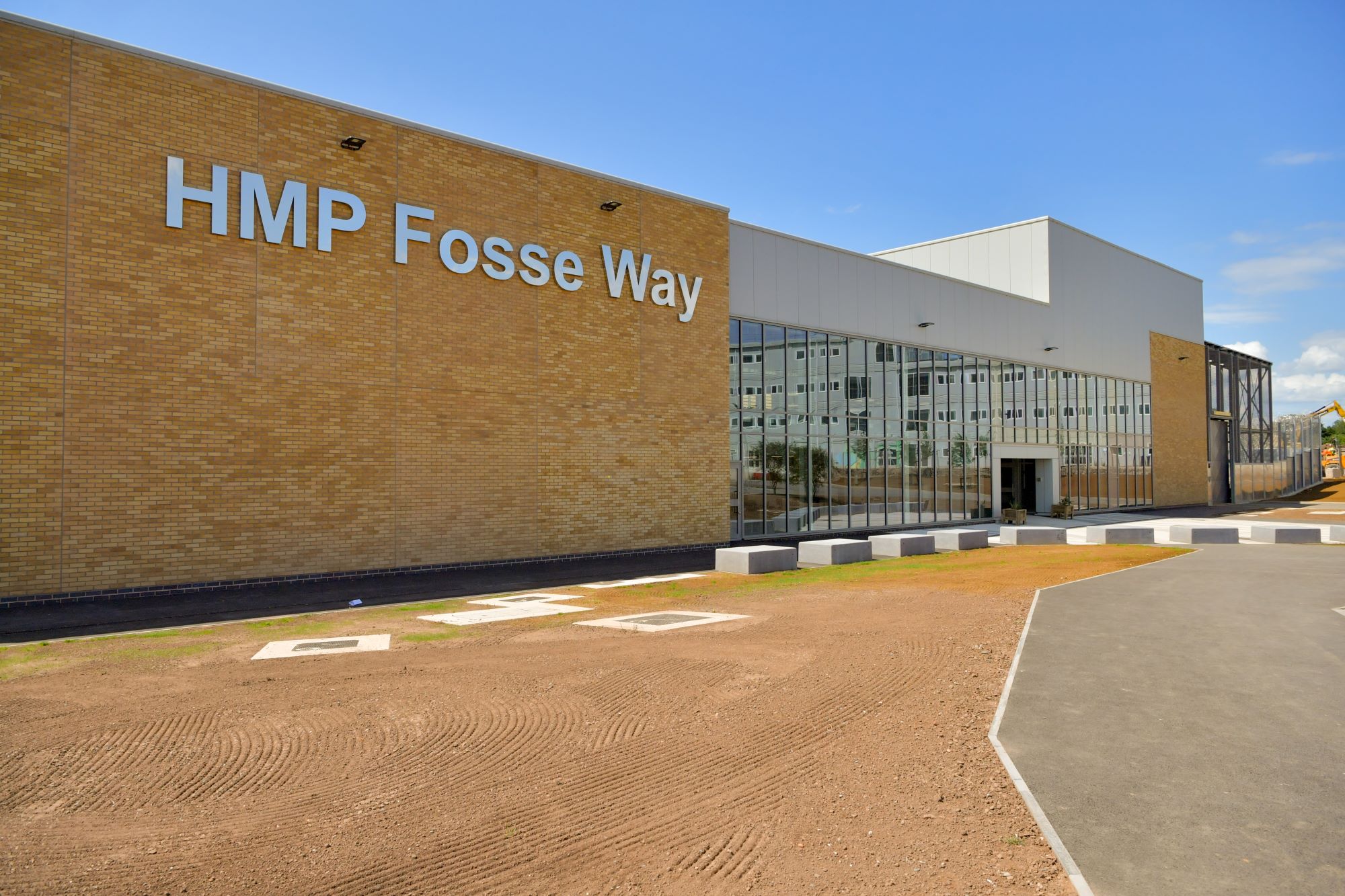
About HMP Fosse Way

HMP Fosse Way is a modern Category C resettlement prison. It houses up to 1,715 residents and puts rehabilitation at the heart of its operations, through education, vocational training and structured daily routines.

Join us here and you’ll become part of a highly supportive culture, where people take pride in doing work that matters. You’ll also have clear opportunities to develop new skills and shape a meaningful career with headroom to grow.
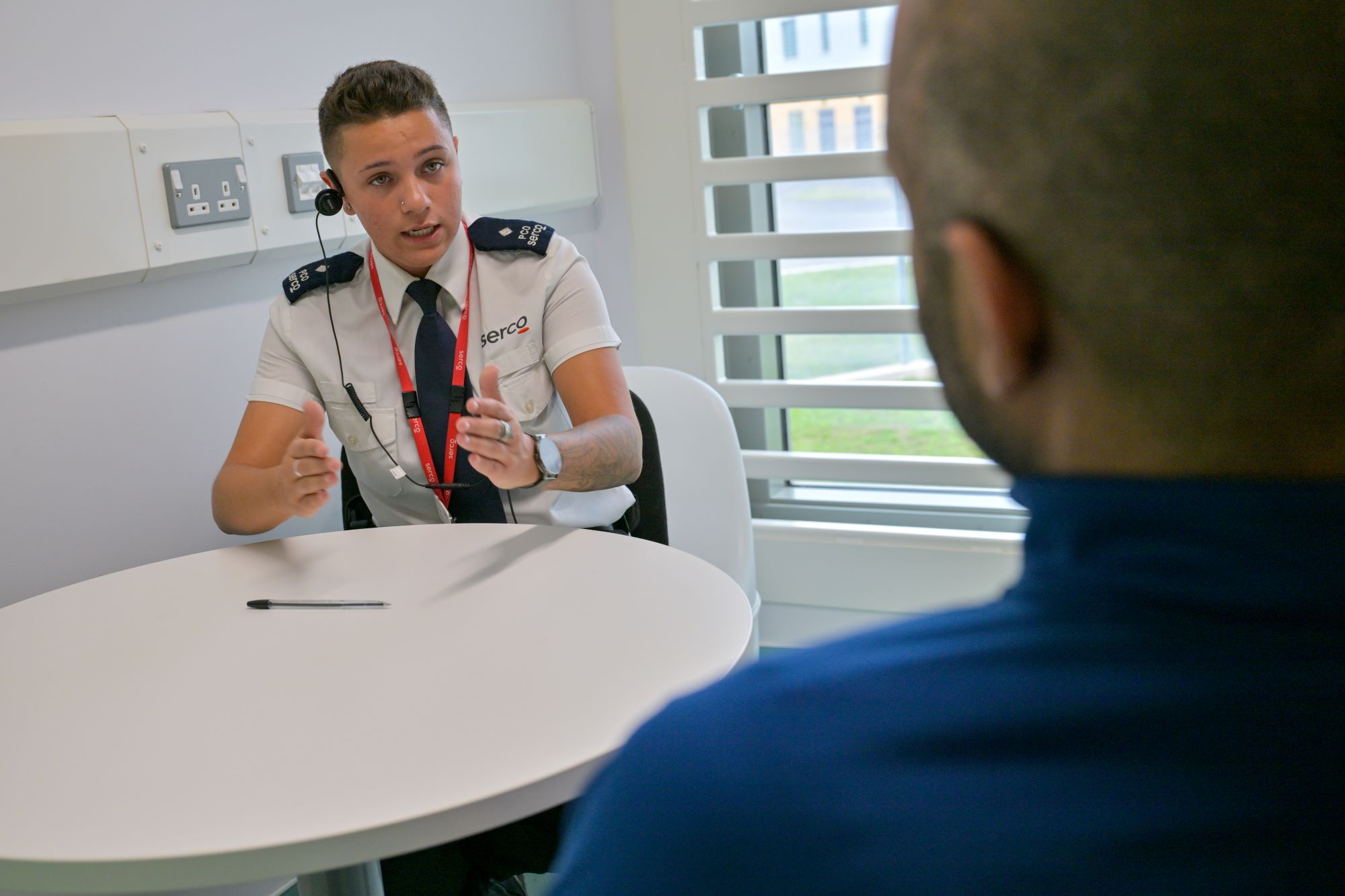
The Role of a Prison Custody Officer

Being a Prison Custody Officer is challenging at times, but it’s a role with real purpose and a positive impact every day. You’ll help residents navigate their routines, develop healthier choices and build the confidence they need for life beyond prison.

What you’ll do:
  • Supervise people in prison in day-to-day activities
  • Encourage participation in work, education and rehabilitation
  • Support prisoners at risk of self-harm
  • Manage meal times, movements and daily structure
  • Carry out searches, safety checks and essential security tasks

You’ll act as a mentor, a steady presence and a trusted professional — helping keep both people and the environment safe, decent and respectful.

“Building rapport is so important. You’re the listening ear, and sometimes that can be all someone needs.”

Who we’re looking for

You don’t need prison experience – many colleagues join us from completely different backgrounds. What matters is your ability to stay calm, communicate clearly and treat people fairly.

We’re looking for people with integrity, resilience and professionalism. People who bring empathy, patience, strong communication skills and a desire to make a positive difference.

You’ll also need Level 2 English and Maths (or equivalent), plus the fitness to complete mandatory training.

Pay, shifts and progression

Pay and benefits

Your career with us comes with structure, support and the space to grow.

  • Starting salary: £27,300
  • After 1 year: £28,350
  • After completing your PCO portfolio: £32,287 (typically within 12–18 months)

You’ll also receive 23 days’ holiday plus bank holidays (increasing with service), up to 6% contributory pension, life assurance and access to the Serco Benefits scheme, with discounts on shopping, entertainment, mobile plans and leisure memberships. We invest in you, so you can build a future you’re proud of.

Hours and work-life balance

PCOs work a variety of shifts across a 24/7, year-round service, averaging 40 hours per week.

Typical shifts include:
  • 06:30–18:15
  • 06:45–19:45
  • 07:00–17:00
  • 07:45–20:45
  • 08:15–20:45
  • 20:15–07:15

You’ll receive your rota up to 38 weeks in advance so you can manage a flexible, balanced approach to work and life.

Training and development

We create an environment where people feel supported, trusted and ready to build skills that shape their future. Your growth matters here.

Your 10-week Initial Training Course provides everything you need to succeed. It includes eight weeks of classroom learning, two weeks of shadowing, Control and Restraint training, First Aid training and a recognised Diploma in Custodial Care.
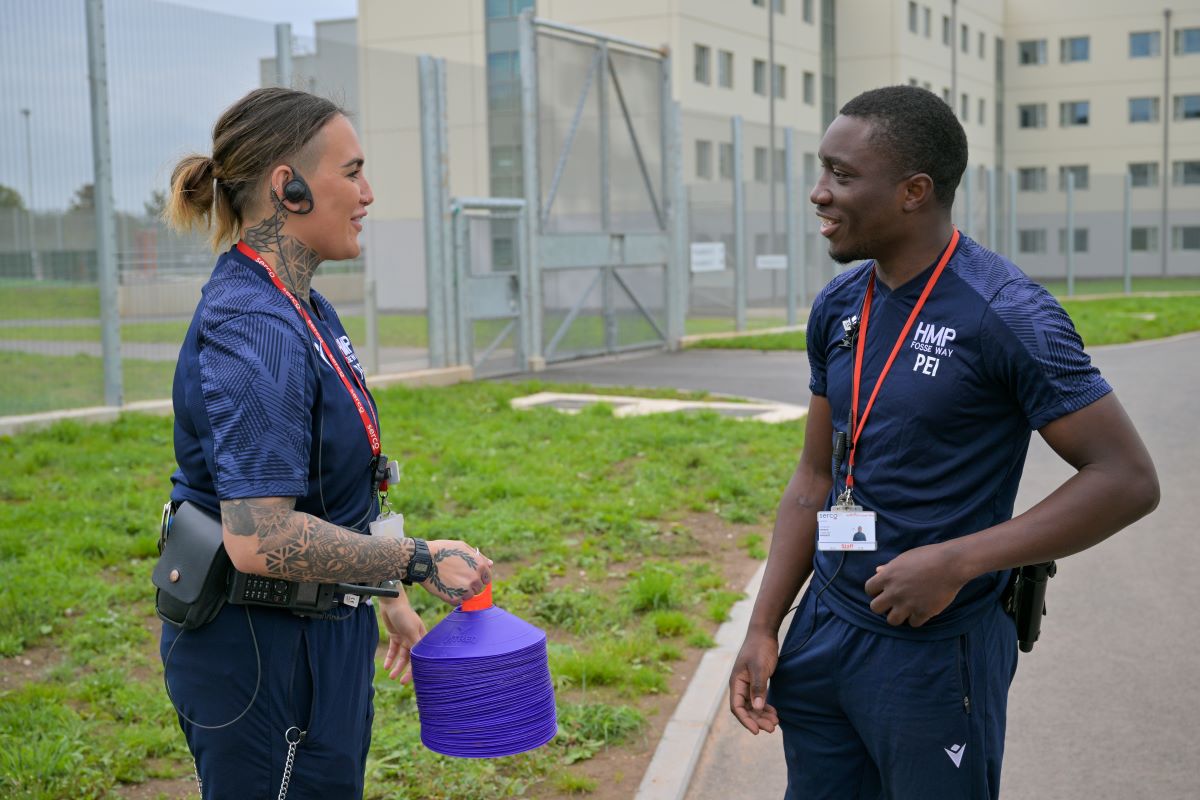
“It’s great being able to build my technical skills in a such a positive atmosphere. The team here provide a safe space, because sometimes you need to make mistakes to learn.”
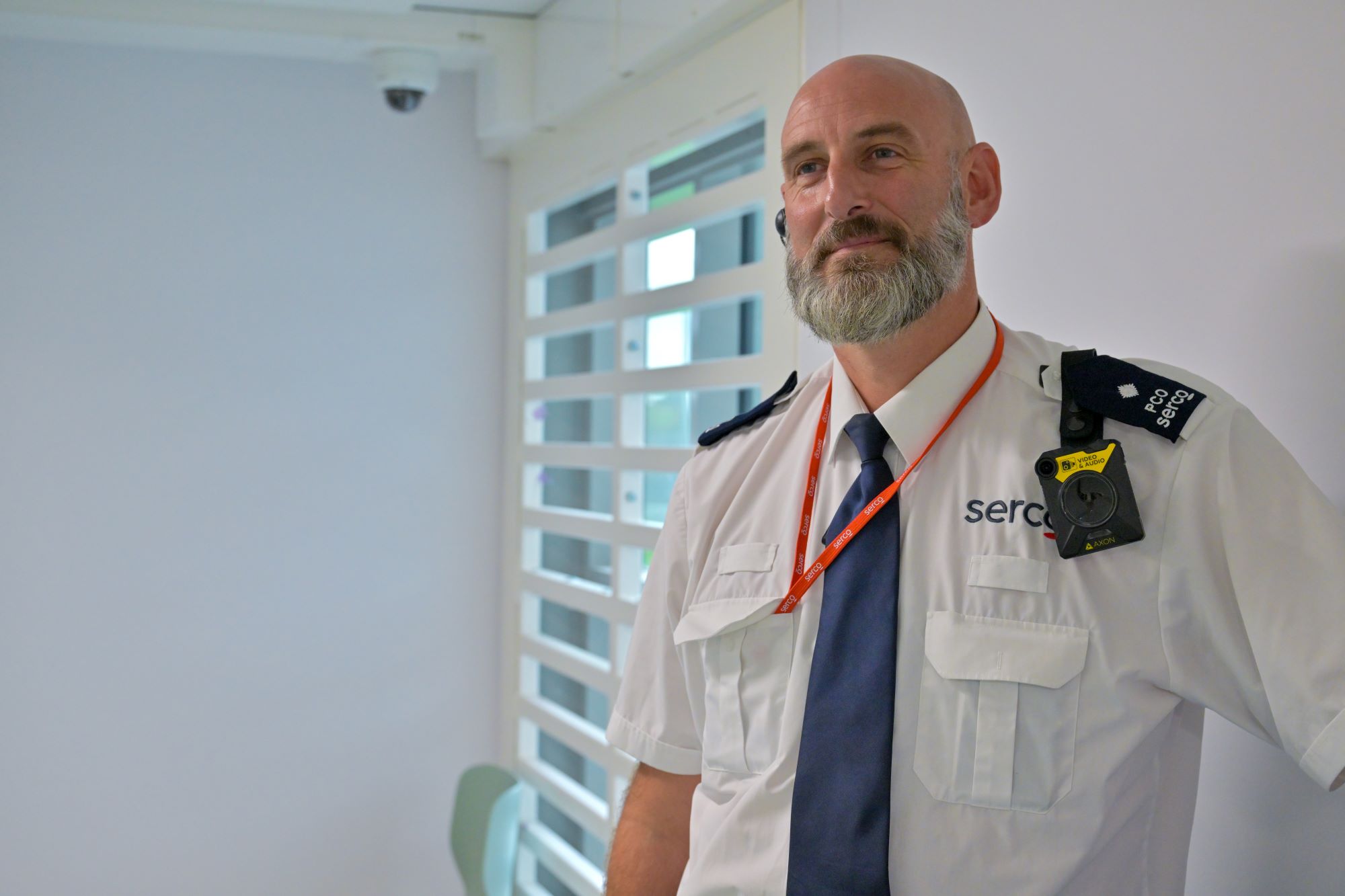
A day in the life of a Serco PCO

step 1:

Starting the day

A typical shift begins early. Before we unlock the unit, we complete a series of essential checks — walking the landings, inspecting every cell and confirming each resident’s presence and wellbeing. It’s a focused start and one of the most important responsibilities we have. Once we’re confident everything is safe and secure, we unlock for breakfast and the prison begins to come to life.
step 2:

Courts, transfers and releases

One of the most time-sensitive tasks happens first thing in the morning: managing residents going to court, transferring to another establishment or being released. This relies on precision, teamwork and staying organised. Even small delays can ripple through the whole day, so getting the basics right early on helps keep the entire prison running smoothly.
step 3:

Morning routine

After breakfast, residents make their way to work, education or training. Workshops can include everything from industrial production and kitchens to cleaning roles on the unit. Education ranges from basic literacy to Open University degrees. We supervise movements, encourage attendance, offer support where needed and help maintain routine and structure.
step 3:

Supporting people and building trust

Throughout the morning, PCOs check in with residents — answering practical questions, offering guidance, or supporting someone who may be coping with stress or uncertainty. You become a consistent, steady presence in an environment where predictability and trust matter.
step 3:

Lunchtime checks

At midday, residents return to their units for lunch. We supervise meals, support a calm atmosphere and make sure the environment remains safe and respectful. After lunch, another full headcount and safety check takes place before residents return to their afternoon activities.
step 3:

Afternoon activities

The afternoon follows a similar rhythm to the morning — work, education, rehabilitation programmes and workshops. Alongside supervising these sessions, we complete key operational tasks like searches, paperwork and reports. It’s a balance of staying visible, supportive and aware of what’s happening on the unit. This is often where the rewarding moments happen: a prisoner finishing a course, managing a tough day better or talking about the progress they want to make. You see the small steps that add up to real change.
step 3:

Evening and association time

After the working day, residents return for their evening meal. Then comes “association” — free time where they can socialise, make phone calls, exercise, play games or simply decompress. It can be lively but it’s also an important opportunity for positive interactions and guidance.

A lot of relationship-building happens here. A conversation that seems small can have a big impact.
step 3:

Final lock-up and end of shift

The day ends with the final headcount and evening lock-up. We make sure every resident is accounted for and safe before securing the unit for the night. It’s a moment to reflect on the day — the challenges you managed, the small wins you supported, the stability you helped create.
“You finish each shift knowing you’ve contributed to something bigger than yourself. It isn’t always easy, but it’s purposeful. You feel trusted, supported and part of something that genuinely makes a positive difference.”

Your recruitment journey

Complete the application form on our careers site

A 30-minute conversation covering competency and situational questions.

Around two hours, including:

Fitness tests:
· Bleep test (15m shuttle run to level 5.4)
· Agility run
· Shield hold (1 minute)
· Grip strength test (28kg per hand)

Written and numerical exercises
You’ll also meet members of our team and get a feel for the working environment.

Results
You’ll usually hear back within a few days.

If you successfully pass all the elements at the assessment process, you’ll undergo Ministry of Justice Enhanced Level Two security clearance checks and an Enhanced DBS check. You’ll require the documents below before we can complete the check and confirm a start date, so please bring these with you to the assessment day to avoid any delays.

Document 1: Proof of Right to Work documentation
Please bring one of the following pieces of ‘Group 1’ documentation:

Group 1:
UK or Irish passport – confirming you’re a British citizen or have the right of abode in the UK.
UK full birth or adoption certificate plus an official document showing your National Insurance number (e.g. from a government agency or previous employer). The birth certificate must include at least one parent’s name.
EEA passport or national identity card plus an online Right to Work check using your share code (you can get this at: https://www.gov.uk/view-prove-immigration-status). This confirms you’re a national of an EEA country or Switzerland.
Current passport or Biometric Residence Permit (BRP) plus an online Right to Work check using your share code (also available at: https://www.gov.uk/view-prove-immigration-status). This confirms your immigration status and whether you can stay in the UK indefinitely or for a limited time.

Document 2 and 3: Proof of ID and address documentation
In addition to the Right to Work (Group 1) documentation above, you will need to provide two supporting documents from Group 2a or 2b in the list below, to confirm your address and identity:

Group 2a:
Trusted Government/State Issued Documents
  • Current driving licence photocard, full or provisional – UK, Isle of Man, Channel Islands or EU (except Jersey)
  • Current paper driving licence, full or provisional, if issued before 1998
  • Birth certificate (UK or Channel Islands) issued at the time of birth. Full or short form are acceptable, including those issued by the UK authorities overseas, such as Embassies, High Commissions and HM Forces.
  • Biometric Residence Permit (UK)
  • Marriage/civil partnership certificate (UK or Channel Islands)
  • Adoption certificate (UK or Channel Islands)
  • HM Forces ID Card (UK) · Firearms licence (UK or Channel Islands)
  • Cards carrying the PASS accreditation logo (UK)

Group 2b:
Financial/Social History Documents

*must be less than 3 months old
**must be less than 12 months old
  • Bank/Building Society Statement (UK or EEA)*. Non-UK/EEA statements will not be accepted.
  • Credit Card Statement (UK or EEA)*. Non-UK/EEA statements will not be accepted.
  • Utility Bill (UK)*. Mobile phone bills will not be accepted.
  • Council Tax Statement (UK or Channel Islands)**
  • P45/P60 Statement** (UK or Channel Islands)
  • A document from Central Government/Local Government/Government Agency/Local Authority giving entitlement (UK or Channel Islands)* e.g. from the Department for Work and Pensions, the Employment Service, HM Revenue and Customs (HMRC), Job Centre, Job Centre Plus, Social Security
  • Mortgage Statement (UK or EEA)**. Non-UK/EEA statements will not be accepted.
  • Bank/Building Society Account opening confirmation letter (UK)
  • Financial Statement (UK)** e.g. pension, endowment, ISA
  • Benefit Statement* e.g. Child Allowance, Pension

Once you’ve successfully passed the pre-employment checks, we’ll be in touch to agree your start date, where you’ll begin your training at an Initial Training Course (ITC).

FAQs 

Contact our recruitment team on 0345 010 4000 and we’ll guide you through your options.

If your Fitness Test is first: Arrive in suitable workout clothing (trainers, tracksuit, leggings, etc.) and bring smart-casual interview attire to change into afterwards.

If your Interview is first: Arrive in smart-casual interview clothing and bring your fitness clothes with you for the test later.

Your ID documents, suitable clothing, and anything else you find useful, such as water or a notepad.

For safety and security, please do not bring items such as:
  • Weapons or sharp objects
  • Mobile phones (unless authorised), cameras or USB devices
  • Aerosols or umbrellas
  • Chewing gum or Blu Tack
  • Drugs, alcohol or cash over £100
  • CDs, DVDs or digital media

We may prohibit any item considered a security risk.
And finally...

Thank you again for your interest in joining HMP Fosse Way. We hope to welcome you into a team that takes pride in supporting one another and making a positive impact every single day.

Got a question? Get in touch with the team by telephone on 0345 010 4000 or email at justicejobs@serco.com.