

Careers
A Day in the Life of a Detention Custody Officer at Gatwick IRC
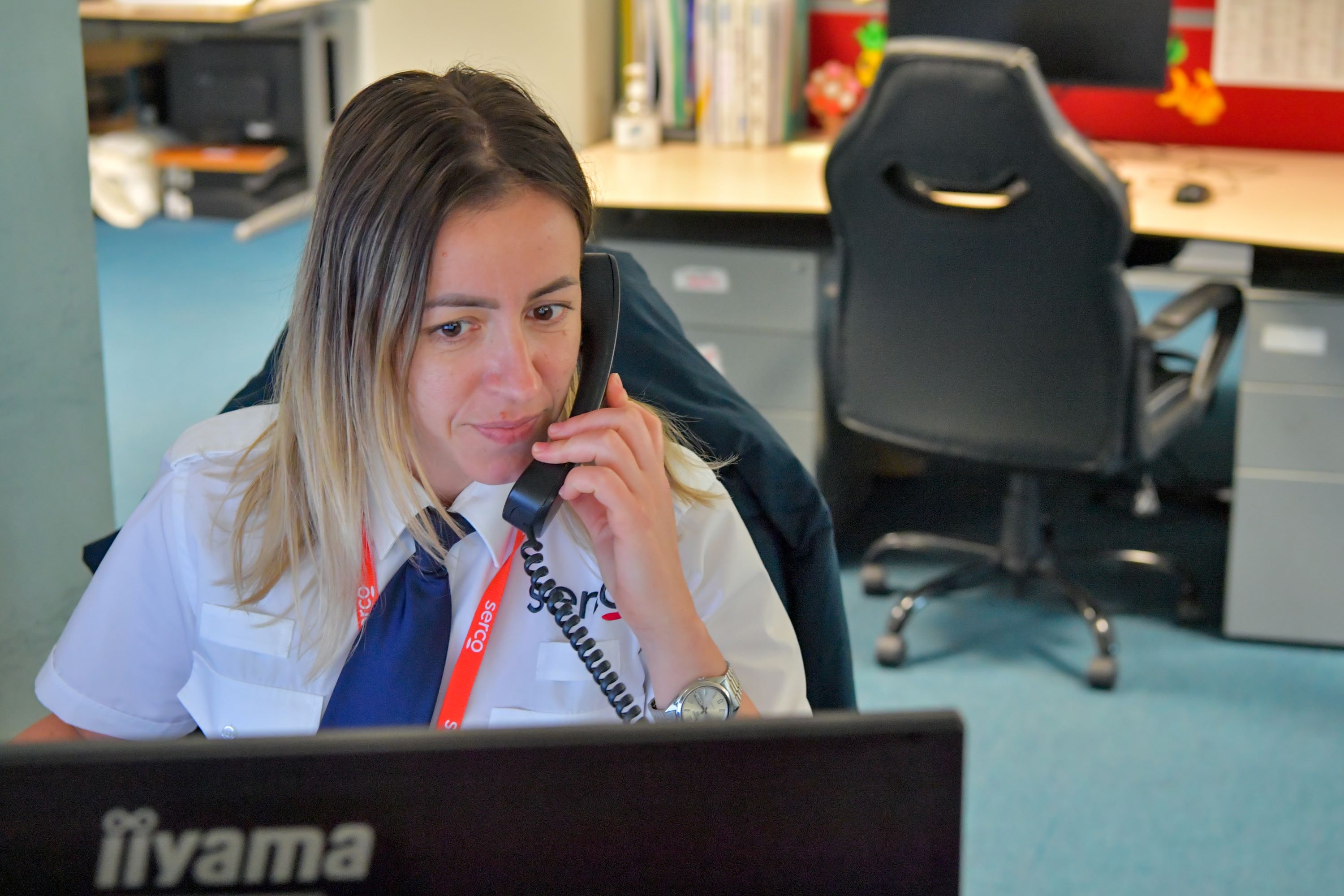
Balancing safety, security and welfare in a varied 24/7 environment
What does it take to be a Detention Custody Officer at Gatwick Immigration Removal Centre?
The role is about much more than security. DCOs help maintain a safe and secure environment while supporting the welfare of residents, building professional relationships and responding to the different needs of the people in their care.
Gatwick Immigration Removal Centre is made up of Brook House and Tinsley House, two secure immigration detention facilities with different resident populations and environments. This means DCOs need to be adaptable, professional and prepared for every shift to be different.
We take a closer look at what the role involves and the skills needed to succeed as a Detention Custody Officer at Gatwick.
The role is about much more than security. DCOs help maintain a safe and secure environment while supporting the welfare of residents, building professional relationships and responding to the different needs of the people in their care.
Gatwick Immigration Removal Centre is made up of Brook House and Tinsley House, two secure immigration detention facilities with different resident populations and environments. This means DCOs need to be adaptable, professional and prepared for every shift to be different.
We take a closer look at what the role involves and the skills needed to succeed as a Detention Custody Officer at Gatwick.
What is Gatwick Immigration Removal Centre like?
Gatwick Immigration Removal Centre comprises two facilities: Brook House and Tinsley House.
Brook House is a Category B secure facility with capacity for 508 male residents. Many residents are time-served former prisoners, including people who have been convicted of serious offences. Residents can be held until their deportation.
Tinsley House is also a Category B facility, with capacity for 162 male residents. It also includes an Annex that can accommodate one family, with parents and children under 18, for a maximum of 72 hours.
Both facilities provide 24/7 healthcare, welfare, faith and cultural and legal support. Residents come from diverse backgrounds and may be experiencing uncertainty and stress around their eventual deportation. For some, detention can also trigger or worsen mental health difficulties.
For DCOs, this creates a working environment where every interaction needs to be approached with professionalism, empathy and good judgement.
Brook House is a Category B secure facility with capacity for 508 male residents. Many residents are time-served former prisoners, including people who have been convicted of serious offences. Residents can be held until their deportation.
Tinsley House is also a Category B facility, with capacity for 162 male residents. It also includes an Annex that can accommodate one family, with parents and children under 18, for a maximum of 72 hours.
Both facilities provide 24/7 healthcare, welfare, faith and cultural and legal support. Residents come from diverse backgrounds and may be experiencing uncertainty and stress around their eventual deportation. For some, detention can also trigger or worsen mental health difficulties.
For DCOs, this creates a working environment where every interaction needs to be approached with professionalism, empathy and good judgement.
Starting the day
"Gatwick operates 24 hours a day, seven days a week, so DCOs work a variety of shifts, including days, nights, weekends and Bank Holidays.
At the start of a shift, we need to understand what is happening across the centre, communicate effectively with the wider team and be prepared for priorities to change.
There are also important routines and administrative responsibilities to manage, from completing records and documentation to supporting arrivals and departures."
At the start of a shift, we need to understand what is happening across the centre, communicate effectively with the wider team and be prepared for priorities to change.
There are also important routines and administrative responsibilities to manage, from completing records and documentation to supporting arrivals and departures."
Supporting residents
"A key part of being a DCO is understanding that residents can have very different circumstances and needs.
Some may have served prison sentences, while others may be experiencing the uncertainty and stress of immigration detention. The source material also highlights that detention can affect mental health, even in people who were previously healthy.
DCOs help residents access the support available to them, including healthcare, welfare, faith and cultural services and recreational activities.
They also monitor wellbeing and support people who may be at risk of self-harm or experiencing poor mental health.
At Tinsley House, DCOs may also support families staying in the Annex for short periods, making sensitivity and safeguarding particularly important."
Some may have served prison sentences, while others may be experiencing the uncertainty and stress of immigration detention. The source material also highlights that detention can affect mental health, even in people who were previously healthy.
DCOs help residents access the support available to them, including healthcare, welfare, faith and cultural services and recreational activities.
They also monitor wellbeing and support people who may be at risk of self-harm or experiencing poor mental health.
At Tinsley House, DCOs may also support families staying in the Annex for short periods, making sensitivity and safeguarding particularly important."
Balancing care and security
"Security is an important part of the DCO role, but it sits alongside responsibility for resident welfare.
DCOs enforce rules, help prevent disorder and escapes, conduct searches and use restraint as a last resort. At the same time, they support residents with routines, monitor their wellbeing and help them access the services available within the centre.
It means being able to assess a situation, follow the right procedures and make sensible decisions while treating people with dignity."
DCOs enforce rules, help prevent disorder and escapes, conduct searches and use restraint as a last resort. At the same time, they support residents with routines, monitor their wellbeing and help them access the services available within the centre.
It means being able to assess a situation, follow the right procedures and make sensible decisions while treating people with dignity."
Building professional relationships
"Communication and resident engagement are also central to the role.
DCOs build rapport with residents, encourage constructive use of time in detention and treat people with dignity and respect. Clear communication is particularly important when situations are challenging or when someone may be experiencing distress.
The role is about maintaining professional boundaries while understanding the individual circumstances of the people you're supporting."
DCOs build rapport with residents, encourage constructive use of time in detention and treat people with dignity and respect. Clear communication is particularly important when situations are challenging or when someone may be experiencing distress.
The role is about maintaining professional boundaries while understanding the individual circumstances of the people you're supporting."
No two days are the same
"With two different facilities and a varied resident population, there can be plenty of variety from one shift to the next.
You might be supporting a resident with their day-to-day needs, carrying out security responsibilities, managing an arrival or departure, completing paperwork or responding to an unexpected incident.
You could also be working with colleagues to de-escalate a challenging situation or supporting someone who needs additional welfare or healthcare support.
That variety means DCOs need to be adaptable and comfortable responding to what each shift brings."
You might be supporting a resident with their day-to-day needs, carrying out security responsibilities, managing an arrival or departure, completing paperwork or responding to an unexpected incident.
You could also be working with colleagues to de-escalate a challenging situation or supporting someone who needs additional welfare or healthcare support.
That variety means DCOs need to be adaptable and comfortable responding to what each shift brings."
Working as a team
"Teamwork is essential to keeping the centre running safely.
DCOs work closely with colleagues to maintain centre operations, respond to incidents and support residents. When situations become challenging, colleagues need to communicate clearly, support one another and work together to de-escalate where possible.
It's a role where being part of a strong team makes a real difference."
DCOs work closely with colleagues to maintain centre operations, respond to incidents and support residents. When situations become challenging, colleagues need to communicate clearly, support one another and work together to de-escalate where possible.
It's a role where being part of a strong team makes a real difference."
The skills you'll need
"You don't need to have worked in immigration detention before, but you'll need the right skills and approach.
Communication is important, as you'll interact with residents, colleagues and other professionals throughout your shift. You'll also need to remain calm under pressure, including when managing volatile or aggressive behaviour.
Attention to detail matters when completing accurate records and following legal processes.
Above all, you'll need empathy and respect for vulnerable people, alongside high ethical standards, confidentiality, fairness and professionalism."
Communication is important, as you'll interact with residents, colleagues and other professionals throughout your shift. You'll also need to remain calm under pressure, including when managing volatile or aggressive behaviour.
Attention to detail matters when completing accurate records and following legal processes.
Above all, you'll need empathy and respect for vulnerable people, alongside high ethical standards, confidentiality, fairness and professionalism."
The rewards
"Being a DCO can be challenging, but it's also a role with real responsibility and purpose.
You'll have the opportunity to support people during what can be a difficult and uncertain period of their lives, while helping to maintain a safe and secure environment.
For people who enjoy working with others, staying calm under pressure and taking on a role where every day can bring something different, it can be a rewarding career."
You'll have the opportunity to support people during what can be a difficult and uncertain period of their lives, while helping to maintain a safe and secure environment.
For people who enjoy working with others, staying calm under pressure and taking on a role where every day can bring something different, it can be a rewarding career."
Could this role be for you?
If you're looking for a career where you can combine security, responsibility and supporting people, becoming a Detention Custody Officer role at Gatwick could be your next step.
You don't need previous experience in immigration or detention. What matters is how you work with people: communicating clearly, treating others with dignity, staying calm when situations are challenging and working professionally as part of a team.
Ready to make an impact? Explore Detention Custody Officer opportunities at Gatwick and discover where your career with Serco could take you.
You don't need previous experience in immigration or detention. What matters is how you work with people: communicating clearly, treating others with dignity, staying calm when situations are challenging and working professionally as part of a team.
Ready to make an impact? Explore Detention Custody Officer opportunities at Gatwick and discover where your career with Serco could take you.