

News
New Ward Host apprenticeship opportunities launched at University Hospital Southampton
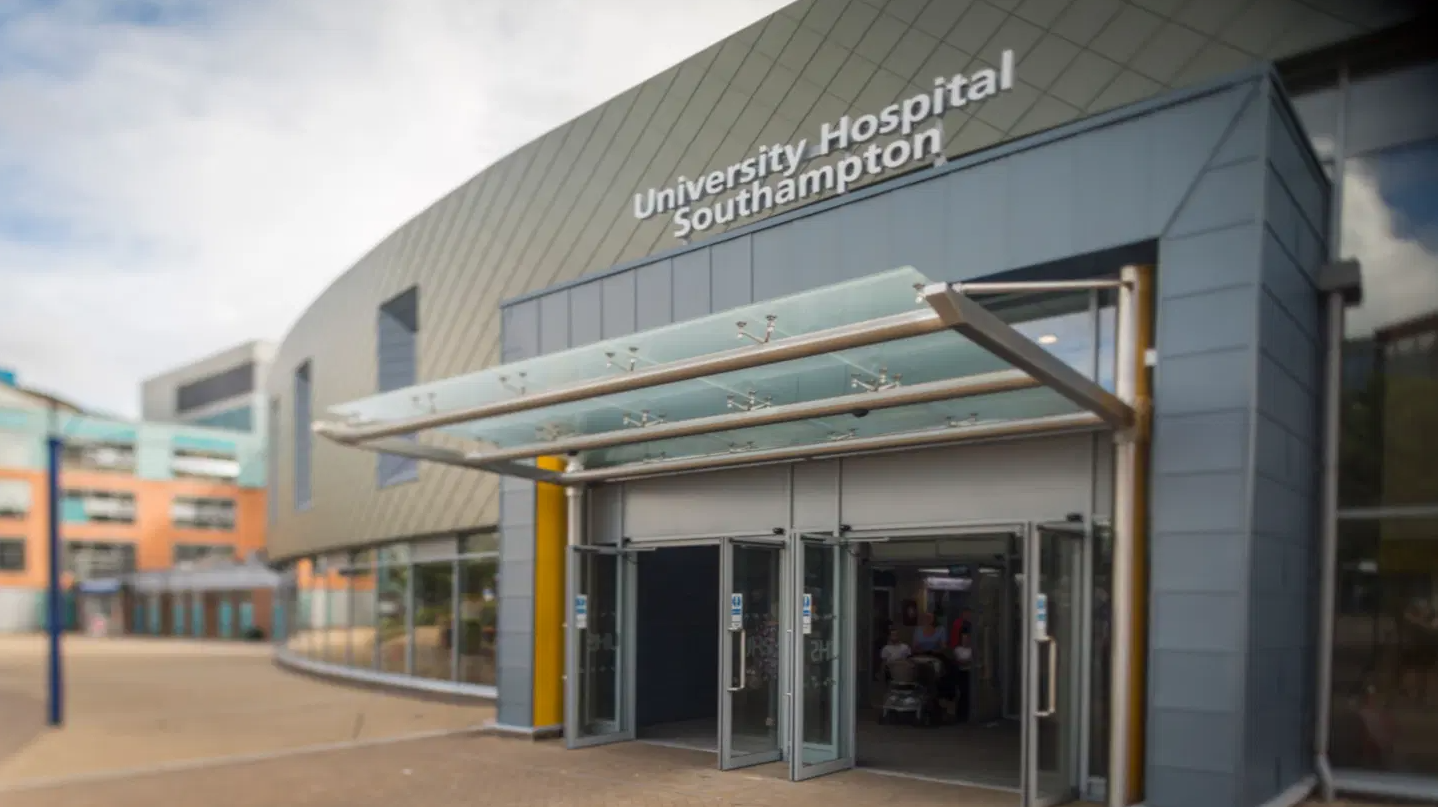
New apprentices can earn while they learn, gain real experience and launch a career in health and social care.
We’ve launched a new Ward Host apprenticeship opportunity at University Hospital Southampton, giving people the chance to start a paid role while completing a Level 2 Foundation Apprenticeship in Health and Social Care alongside their job.
Working 30 hours a week, you’ll join our patient catering team, gain hands-on experience in a busy hospital environment and work towards a recognised qualification – all while earning a wage.
You don't need previous experience. Bring the right attitude, a willingness to learn and a genuine interest in working with people.
Sound like something you could see yourself doing? Here’s what you need to know about being a Ward Host.
Working 30 hours a week, you’ll join our patient catering team, gain hands-on experience in a busy hospital environment and work towards a recognised qualification – all while earning a wage.
You don't need previous experience. Bring the right attitude, a willingness to learn and a genuine interest in working with people.
Sound like something you could see yourself doing? Here’s what you need to know about being a Ward Host.
More than just catering
Although food and hospitality are a big part of the job, you’ll be working in a healthcare environment too.
University Hospital Southampton is a large acute hospital, so you could work with a wide range of patients and teams across different areas, including children’s wards, cancer services, elderly care, acute medical units and maternity.
That means no two days are likely to be exactly the same.
You’ll develop your confidence communicating with different people, learn how a hospital works and become part of the wider ward team.
University Hospital Southampton is a large acute hospital, so you could work with a wide range of patients and teams across different areas, including children’s wards, cancer services, elderly care, acute medical units and maternity.
That means no two days are likely to be exactly the same.
You’ll develop your confidence communicating with different people, learn how a hospital works and become part of the wider ward team.
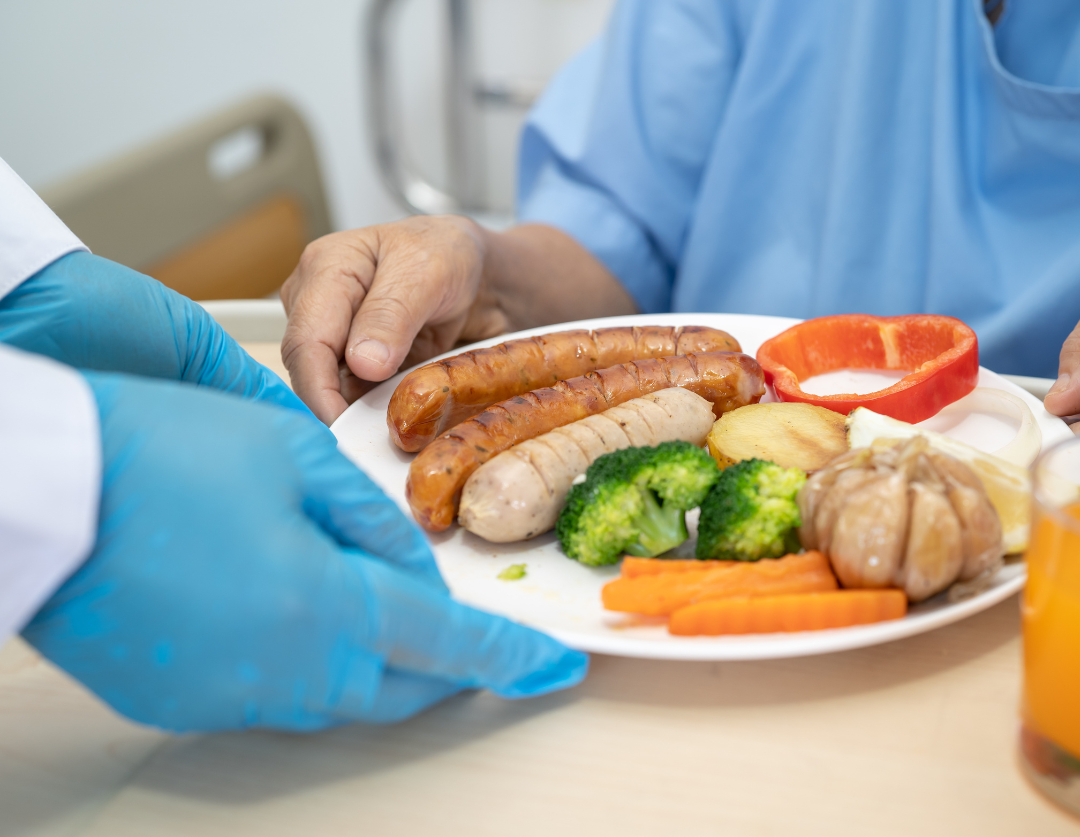
What will I learn?
You’ll get training from day one – you won’t be expected to know everything straight away. Your training will cover lots of areas, including:
Getting started
Role-specific skills
You’ll also spend time shadowing experienced colleagues, with regular feedback, coaching and competency checks before you work independently.
So, while you're doing the job, you're also building skills that can help you take your next step.
Getting started
- Introduction to Serco and University Hospital Southampton
- Health and safety
- Infection prevention and control
- Safeguarding
- Customer service and communication
- Data protection and confidentiality
Role-specific skills
- Food safety
- Nutrition and dietary requirements
- Allergen awareness
- Meal ordering systems
- Tablet systems
- Beverage trolley operation
You’ll also spend time shadowing experienced colleagues, with regular feedback, coaching and competency checks before you work independently.
So, while you're doing the job, you're also building skills that can help you take your next step.
What is it really like working in a hospital?
Working in a hospital is varied, busy and very people-focused. You'll meet and communicate with lots of different people every day – patients, visitors and hospital colleagues – and often have the opportunity to help, reassure or simply make someone's experience a little easier.
It can be incredibly rewarding. The small things matter: being friendly, treating people with dignity and respect, offering reassurance when someone is worried, and knowing the work you do helps the hospital run safely and smoothly.
It can be incredibly rewarding. The small things matter: being friendly, treating people with dignity and respect, offering reassurance when someone is worried, and knowing the work you do helps the hospital run safely and smoothly.
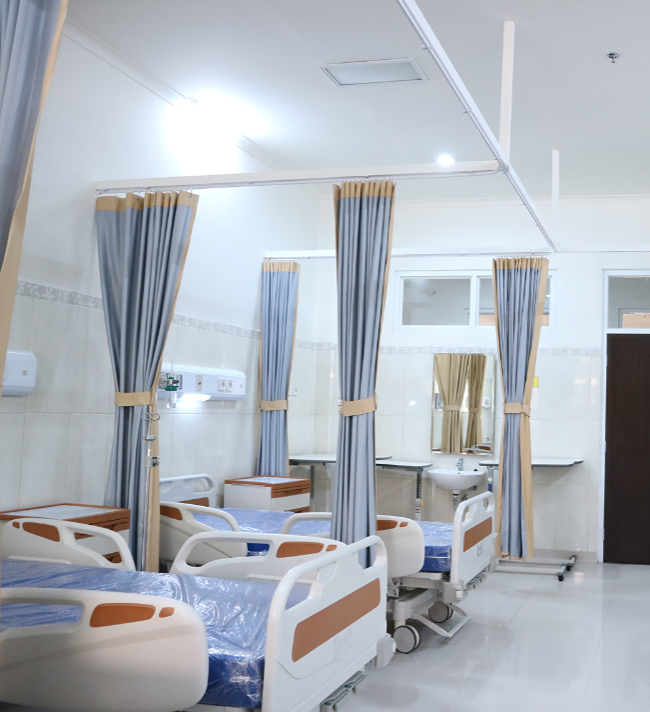
But it's also important to understand the realities of working in a healthcare environment. Hospitals can be fast-paced and unpredictable, and you'll be around people at all stages of their
care, including those who are seriously ill or injured.
At times, you may encounter situations that are difficult or upsetting, including visible injuries, bodily fluids, medical emergencies, end-of-life care or patients who have died. You'll need to be comfortable working in this type of environment and able to remain calm, professional and compassionate.
You won't be expected to manage difficult situations on your own. You'll have experienced colleagues and supervisors around you, along with training, coaching and support to help you build your confidence.
There will be challenging days, but there will also be plenty of moments where you know you've helped someone. It's a role where compassion, communication and teamwork really matter – and where the work you do makes a genuine difference.
care, including those who are seriously ill or injured.
At times, you may encounter situations that are difficult or upsetting, including visible injuries, bodily fluids, medical emergencies, end-of-life care or patients who have died. You'll need to be comfortable working in this type of environment and able to remain calm, professional and compassionate.
You won't be expected to manage difficult situations on your own. You'll have experienced colleagues and supervisors around you, along with training, coaching and support to help you build your confidence.
There will be challenging days, but there will also be plenty of moments where you know you've helped someone. It's a role where compassion, communication and teamwork really matter – and where the work you do makes a genuine difference.