

Careers
More than a tag: Regional Manager Clair discusses the skills that make a difference in Electronic Monitoring
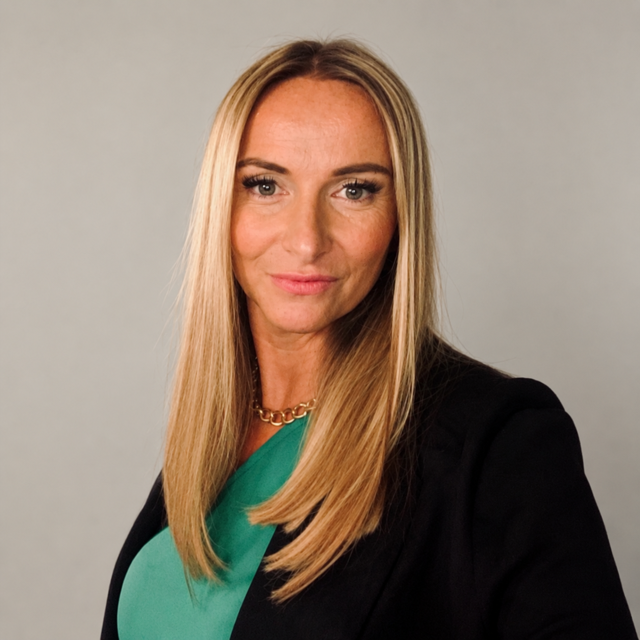
When most people think about electronic monitoring, they probably think about the technology. An electronic tag. A curfew. Someone arriving at a front door to fit or remove a device. For Regional Manager Clair, who has spent 17 years working in Electronic Monitoring Services (EMS), the reality is much more people focused.
People may be electronically monitored in many different circumstances. Some are returning to the community after prison, while others may be on bail or serving a sentence in the community, with monitoring used to support conditions such as curfews, location restrictions or alcohol monitoring.
“The biggest preconception is that we’re enforcement,” Clair says. “We’re not there to enforce anything. We’re there to help people comply with the order they’ve been given. For someone who gets satisfaction from communicating well, building trust and resolving situations rather than exercising authority, it can be an incredibly rewarding role.”
That distinction gets to the heart of what working in EMS is really about.
The most important skill in this role
“Our Field Monitoring Officers visit people’s homes, setting up equipment, making sure it works correctly and helping the device wearer understand the conditions they need to follow. One evening might take an officer into an affluent neighbourhood, the next to a caravan. One person might welcome you inside; another might be guarded or reluctant to engage. Every person, every home and every conversation is different.”
That unpredictability is why Clair believes the most valuable thing an officer carries isn’t the equipment in their bag. It’s their ability to connect with people.
“Your biggest tool in this job is how you speak to people, how you respond and how you build that trust.”
There can be an expectation that someone working in electronic monitoring needs to be intimidating or authoritative. Clair’s own experience challenges that assumption.
“You don’t need to be the biggest or loudest person in the room. What matters is being able to read a situation, communicate clearly and find common ground with people from all walks of life.”
For Clair, that means entering somebody else’s home without judgement, listening and explaining, and adapting your approach to the person in front of you.
And those skills can change the course of an interaction. Someone who starts a visit with their guard up can feel very differently by the time the officer leaves. “You help calm them down, answer their questions and make them feel much more comfortable about what happens next.”
Seeing what others might not
Because officers are visiting people in their homes, they sometimes see things that might otherwise go unnoticed. Clair talks about colleagues identifying safeguarding concerns involving adults, partners or children, or encountering people who need urgent support.
“Our officers are sometimes the first person that’s there,” she explains. “Safeguarding and support are an incredibly important part of the job. It’s easy to see electronic monitoring as simply fitting a tag, but behind every visit is an interaction with someone whose circumstances, experiences and needs may be very different.”
Clair reflects on her time as an FMO, when she sometimes returned to people she had met earlier in their monitoring journey and saw how their circumstances had changed. “You get to see people rebuilding family life after leaving prison, and situations where monitoring has supported a period away from alcohol. Those are the moments that give you a really satisfying feeling.”
Building confidence to work independently
The independence of the role is another reason Clair believes people find a home in EMS. “Field Monitoring Officers are home-based and have real ownership of their work, planning their routes, prioritising jobs and managing their workload. It suits people who are organised, self-motivated and comfortable taking responsibility, with the freedom to manage their evening while still having colleagues and managers there when they need support.”
And that independence is something you can build towards. New officers develop their knowledge through online and virtual learning, face-to-face training and time working alongside an experienced officer. They gradually take more of the lead as their confidence grows, before moving on to working independently.
Clair remembers that transition well. You can learn the processes and equipment, she explains, but sometimes the biggest moment is simply knocking on someone’s door for the first time on your own.
“Officers have colleagues and managers they can contact, alongside thorough risk assessments and lone-worker safety measures,” Clair says. “Different people and situations call for different approaches, so being able to stay aware of what’s happening around you and know when to seek support really matters.
“Risks are assessed using information we receive through the justice system, which helps us decide how we approach each visit. If someone is deemed low risk, we may send one officer, but if at any point they don’t feel safe, they can withdraw or request support from another officer.”
Seventeen years, and still looking forward
Clair’s own career is perhaps one of the best illustrations of where a role in EMS can lead. Across 17 years she has progressed through different roles into management, while colleagues have taken other paths into areas including training and development and liaison work across the justice system.
After all that time, what stands out is how passionately she still talks about the purpose behind the work. “Electronic monitoring can provide structure as people rebuild parts of their lives,” Clair says, “whether that’s returning home, reconnecting with family or getting back to work.”
Behind every device is a person. Behind every front door is a different story. And behind the technology are people whose judgement, empathy and ability to communicate can make a real difference.
Could you see yourself in EMS?
If you can communicate with people from all walks of life, stay calm when circumstances change and treat people with dignity and respect, a career in Electronic Monitoring Services might not be what you first imagined.
It could be much more.