
Careers
Inside a Prison Therapeutic Community: Where Relationships are at the Heart of Rehabilitation
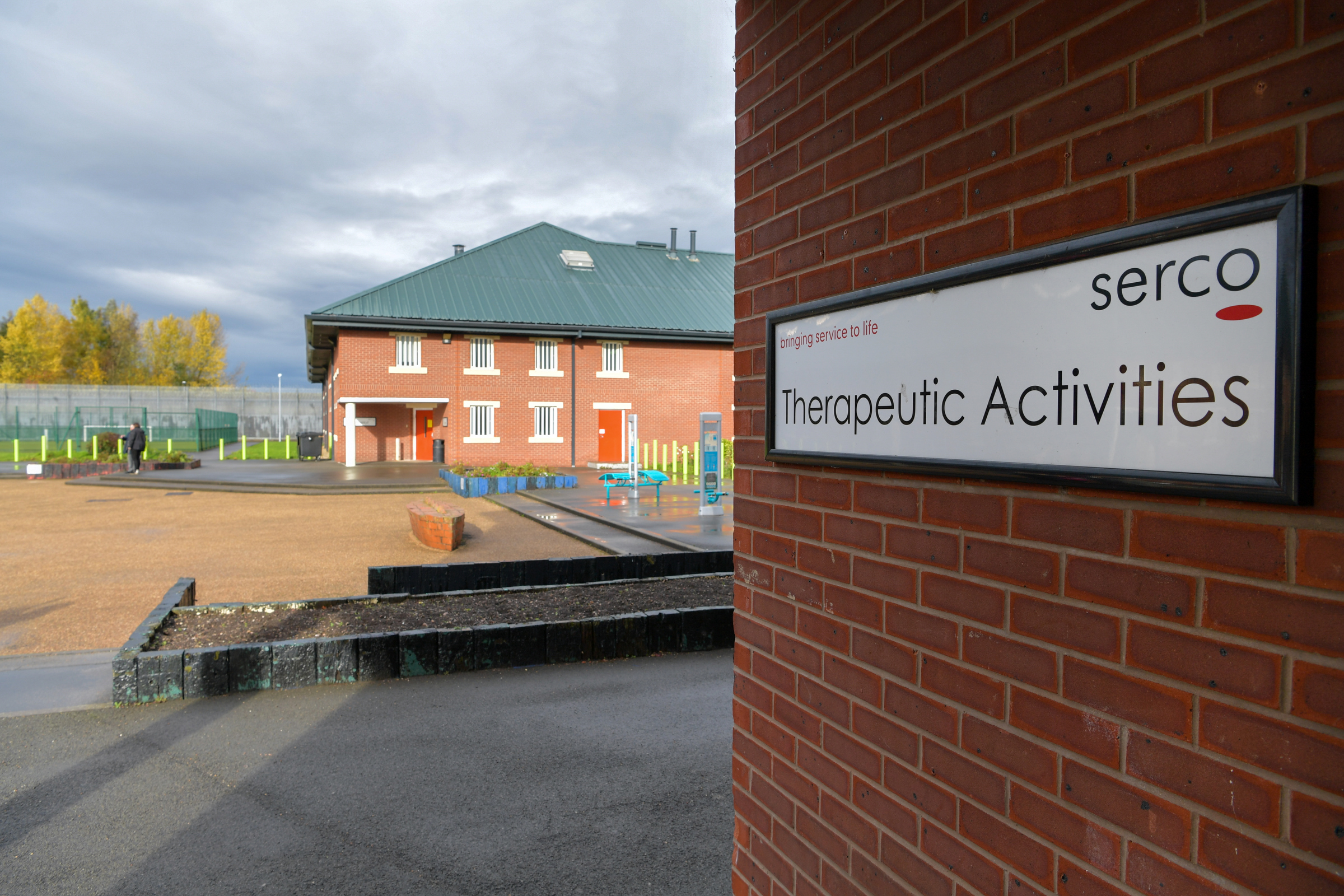
A conversation with Ciara Smyth, Clinical Director at HMP Dovegate, and Lucy Merrick, Head of Psychological Services at HMP Ashfield.
Therapeutic Communities (TCs) offer a distinctive approach to rehabilitation. Ciara Smyth and Lucy Merrick from Serco sat down to explore how psychology and psychotherapy are embedded in daily life in a TC, why relationships are at the heart of change, and what makes this form of therapy so impactful.
For readers unfamiliar with Therapeutic Communities, how would you describe the model and what makes it distinctive?
Lucy: A Therapeutic Community is a specialist rehabilitation environment where residents actively participate in the therapeutic process rather than simply receiving treatment. The community itself becomes part of the intervention, with residents encouraged to take responsibility for their actions, contribute to community life and learn from their interactions with others. It's built around the idea that meaningful change happens through participation, accountability and relationships. Rehabilitation becomes something people actively participate in, rather than something that is done to them.
"What makes the model distinctive is that therapy isn't limited to a consulting room or scheduled session."
Ciara: What makes the model distinctive is that therapy isn't limited to a consulting room or scheduled session. It's woven into everyday life through relationships, community meetings, group discussions and shared responsibilities. Psychology and psychotherapy work alongside one another to create an environment where people can develop greater self-awareness, understand patterns in their behaviour and relationships, and practise new ways of relating to others
What is it about the Therapeutic Community model that resonates with you as practitioners?
Lucy: It's the opportunity to see people actively engage with their own rehabilitation and develop meaningful insight into their behaviour.
Ciara: It's the belief that relationships can be a catalyst for lasting change and personal growth. Seeing people begin to understand themselves differently is incredibly rewarding.

What challenges do psychology and psychotherapy professionals encounter when working in a Therapeutic Community?
Lucy: The work is complex and often involves supporting individuals with significant and longstanding difficulties. It requires professionals to balance empathy with accountability, remain psychologically curious and be comfortable working with uncertainty.
Strong supervision, reflective practice and multidisciplinary collaboration are all vital. One of the strengths of working within a Therapeutic Community is the support available from colleagues with a range of professional backgrounds and perspectives.
"Working here offers a unique opportunity to apply psychological knowledge in a collaborative and rewarding environment."
What it is that reminds you why this work truly matters?
Ciara: Often it's the quieter moments. Seeing someone who once struggled to trust others begin to engage openly, accept feedback or reflect honestly on their experiences can represent significant personal growth. Those moments are a powerful reminder that meaningful change is possible.
What opportunities have you discovered within Serco's Therapeutic Communities that you might not find elsewhere?
Lucy: Working here offers a unique opportunity to apply psychological knowledge in a collaborative and rewarding environment while contributing to innovative approaches to rehabilitation. In fact, Serco operates the only two privately run Democratic Therapeutic Communities (DTCs) in the UK prison system.
Ciara: For psychotherapists, it's a chance to work within a genuinely relational model where the whole community becomes part of the therapeutic process. It's challenging, rewarding and offers significant opportunities for professional growth.
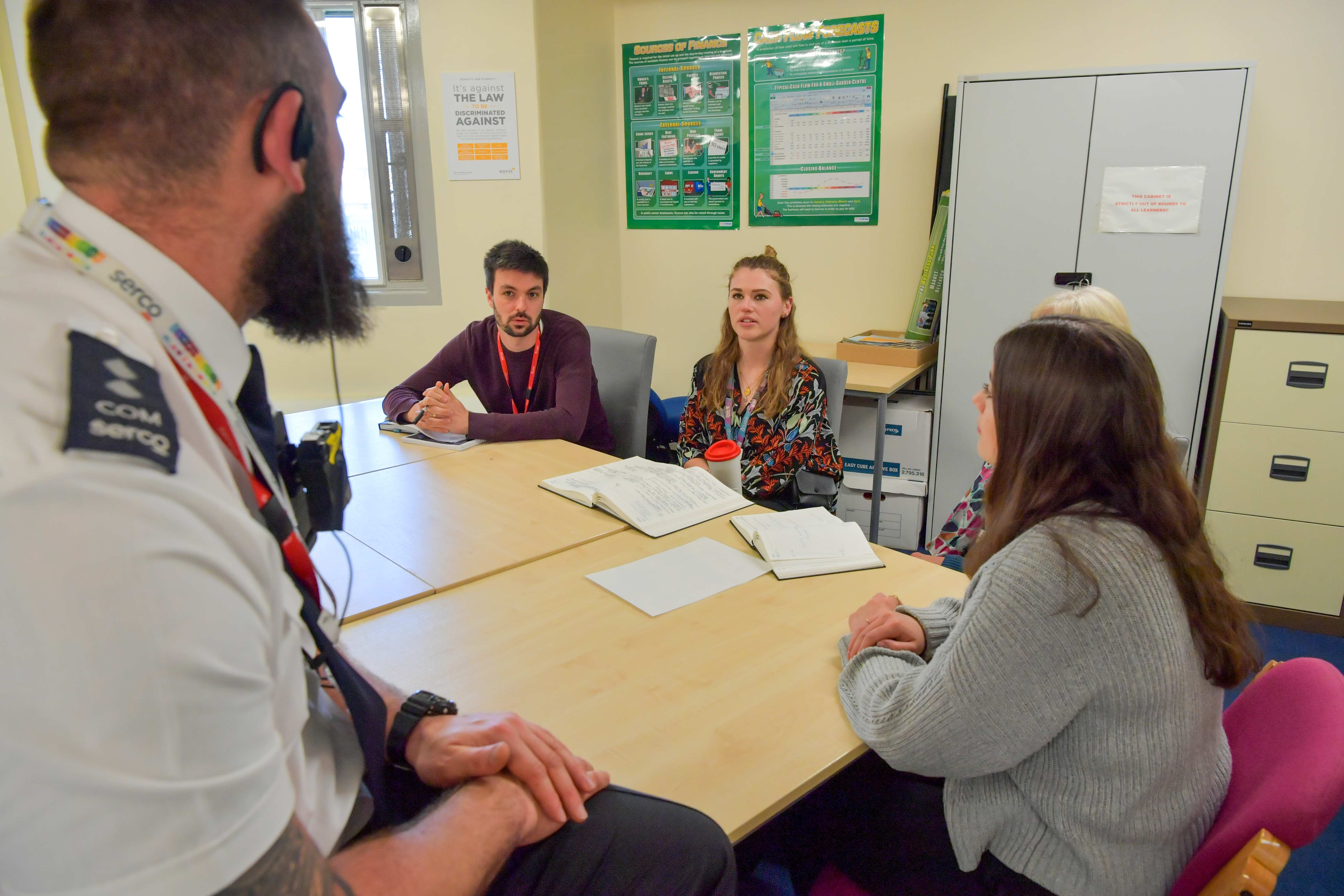
Interested in joining a team that brings a fresh perspective to rehabilitation? Learn more about careers in Serco Psychological Services and explore our vacancies today.
Psychological Services careers