

Careers
A Day in the Life of a
Prisoner Custody Officer
at a vehicle base
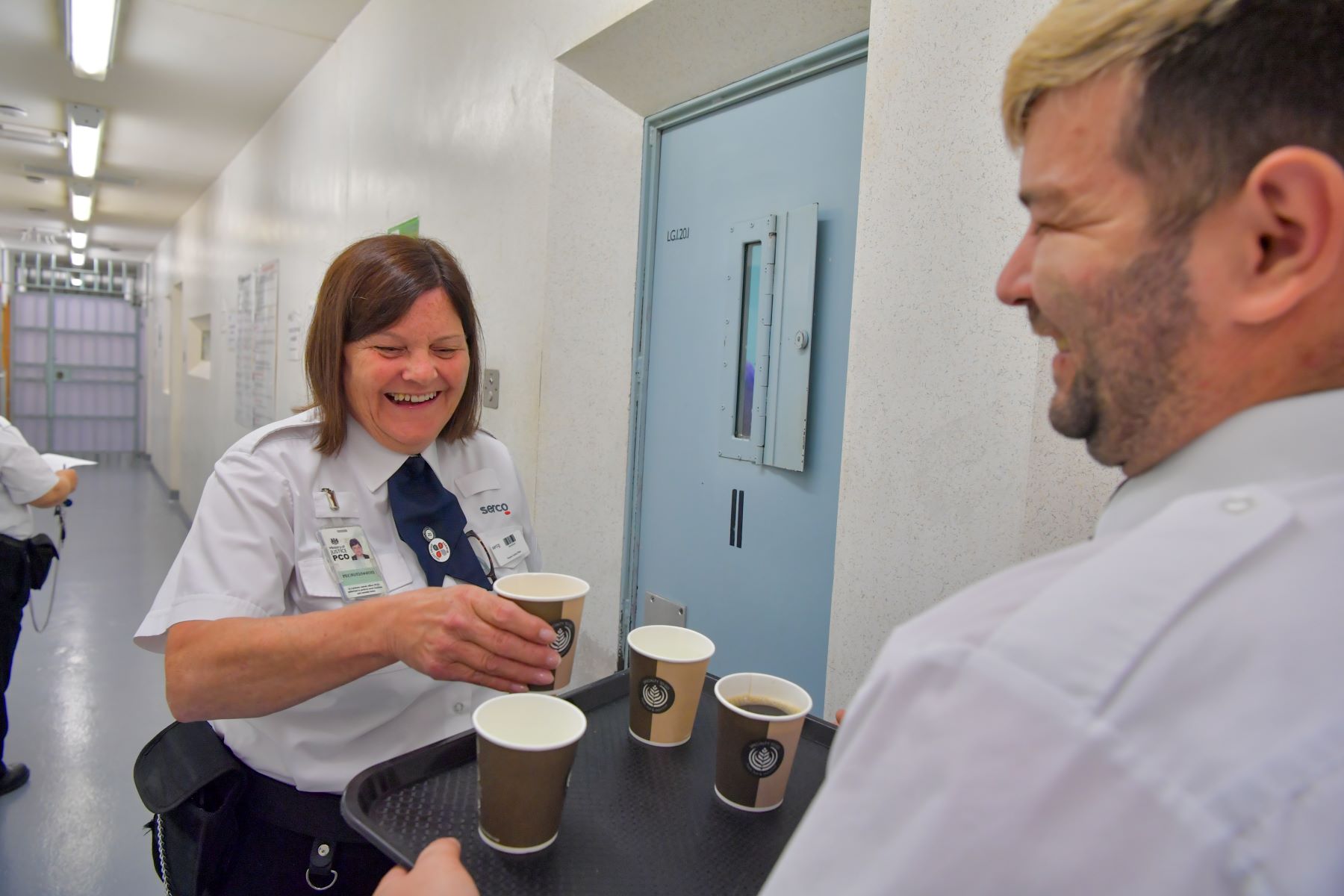
"What does a vehicle base Prisoner Custody Officer do?"
If you're considering becoming a Prisoner Custody Officer (PCO) in our Prisoner Escort and Custody Services (PECS) team, you might be wondering what a typical day actually looks like.
The truth is, no two days are ever the same.
From transporting people safely between prisons, police stations and courts to supporting colleagues and ensuring everyone in your care is treated with dignity and respect, it's a varied role where every day brings something different.
We caught up with a Prisoner Custody Officer working at one of our vehicle bases to find out what a typical shift could look like.
The truth is, no two days are ever the same.
From transporting people safely between prisons, police stations and courts to supporting colleagues and ensuring everyone in your care is treated with dignity and respect, it's a varied role where every day brings something different.
We caught up with a Prisoner Custody Officer working at one of our vehicle bases to find out what a typical shift could look like.
Staring the day
"My day begins at one of our vehicle depots. Early shifts usually start around 6:15am, while later shifts typically begin at 11:00am or 1:00pm. Because we're supporting live court and prison operations, there's no guaranteed finish time, so flexibility is an important part of the role.
Before leaving the depot, we attend a team briefing where we hear about operational updates, safety information and anything that could affect the day ahead. We then collect and sign for our equipment, including keys, restraint and communication devices, hand in our personal mobile phones before going on duty, and carry out vehicle safety and security checks to make sure everything is clean, roadworthy and ready for the day.
As Prisoner Custody Officers at a vehicle base, we'll work as either the driver or the escort depending on the day's allocation. Before we head out, my colleague and I review the day's planned movements and custody documentation, discuss our responsibilities and familiarise ourselves with the people we'll be transporting, including any welfare needs, medical conditions or additional support they may require.
Preparation is really important because every journey is different."
Before leaving the depot, we attend a team briefing where we hear about operational updates, safety information and anything that could affect the day ahead. We then collect and sign for our equipment, including keys, restraint and communication devices, hand in our personal mobile phones before going on duty, and carry out vehicle safety and security checks to make sure everything is clean, roadworthy and ready for the day.
As Prisoner Custody Officers at a vehicle base, we'll work as either the driver or the escort depending on the day's allocation. Before we head out, my colleague and I review the day's planned movements and custody documentation, discuss our responsibilities and familiarise ourselves with the people we'll be transporting, including any welfare needs, medical conditions or additional support they may require.
Preparation is really important because every journey is different."
Hitting the road
"Depending on the day, we might be collecting people from a prison, a police station or taking them to court.
Before we even enter a prison, our vehicle goes through security checks before we're able to collect anyone. We then work closely with Prison Officers during the handover, confirming identities and completing the necessary documentation before escorting individuals safely onto the vehicle.
If I'm the driver, my focus is on driving safely and following the planned route. If I'm the escorting officer, I'll continually monitor the welfare of the people in our care, carrying out regular observations, communicating with those we're transporting and responding quickly if anyone needs support. Whatever role I'm carrying out that day, we're working together to keep everyone safe."
Before we even enter a prison, our vehicle goes through security checks before we're able to collect anyone. We then work closely with Prison Officers during the handover, confirming identities and completing the necessary documentation before escorting individuals safely onto the vehicle.
If I'm the driver, my focus is on driving safely and following the planned route. If I'm the escorting officer, I'll continually monitor the welfare of the people in our care, carrying out regular observations, communicating with those we're transporting and responding quickly if anyone needs support. Whatever role I'm carrying out that day, we're working together to keep everyone safe."
step 3:
No two journeys are the same
"Some journeys are local and over quite quickly, while others take us across the country.
Sometimes we're transporting several people to different courts. Other days we may remain at court, escorting individuals safely between custody suites and courtrooms. There are also occasions where we support hospital appointments or carry out transfers between prison establishments.
On longer journeys, we may make planned comfort stops, ensuring people can access facilities while remaining safely in our care. Every day is different, which is something I really enjoy."
Sometimes we're transporting several people to different courts. Other days we may remain at court, escorting individuals safely between custody suites and courtrooms. There are also occasions where we support hospital appointments or carry out transfers between prison establishments.
On longer journeys, we may make planned comfort stops, ensuring people can access facilities while remaining safely in our care. Every day is different, which is something I really enjoy."
It's about people
"One of the biggest misconceptions about the role is that it's only about security.
Of course, safety is our priority, but it's also about treating people with dignity and respect. Some of the people we transport may be experiencing poor mental health, anxiety or difficult personal circumstances. Before every journey, we're given information that helps us understand whether someone may need additional support.
Remaining calm, communicating well and treating everyone fairly can make a real difference. Every day we're representing both Serco and the wider criminal justice system, so professionalism is really important."
Of course, safety is our priority, but it's also about treating people with dignity and respect. Some of the people we transport may be experiencing poor mental health, anxiety or difficult personal circumstances. Before every journey, we're given information that helps us understand whether someone may need additional support.
Remaining calm, communicating well and treating everyone fairly can make a real difference. Every day we're representing both Serco and the wider criminal justice system, so professionalism is really important."
Teamwork makes all the difference
"Teamwork is one of the biggest parts of the job. Whether it's your driver or escort colleague, Prison Officers, Police Officers, court staff or healthcare professionals, you're constantly working alongside others.
You quickly build trust with your colleagues because you're relying on each other throughout the day. Good communication is essential, especially when plans change or unexpected situations arise."
You quickly build trust with your colleagues because you're relying on each other throughout the day. Good communication is essential, especially when plans change or unexpected situations arise."
The challenges
"It can be a demanding role.
There are days where plans change unexpectedly because of delays at court, traffic or hospital watches. You also need to be prepared to deal with challenging behaviour, verbal abuse, medical emergencies or difficult situations while remaining calm and professional under pressure.
The good news is you don't need previous experience to get started. Serco provides comprehensive training before you begin the role, giving you the skills and confidence to deal with these situations safely. Even once you're operational, you'll always be working alongside experienced colleagues who are there to support you."
There are days where plans change unexpectedly because of delays at court, traffic or hospital watches. You also need to be prepared to deal with challenging behaviour, verbal abuse, medical emergencies or difficult situations while remaining calm and professional under pressure.
The good news is you don't need previous experience to get started. Serco provides comprehensive training before you begin the role, giving you the skills and confidence to deal with these situations safely. Even once you're operational, you'll always be working alongside experienced colleagues who are there to support you."
The rewards
"For me, the most rewarding part is knowing that I've helped keep the criminal justice system moving safely.
It's a role with real responsibility. Every day you're trusted to transport people safely while treating them fairly, professionally and with respect.
I enjoy the variety in what we do. One day I'm travelling across the country, the next I'm supporting operations at court. There's always something different, and that's what makes the role so rewarding."
It's a role with real responsibility. Every day you're trusted to transport people safely while treating them fairly, professionally and with respect.
I enjoy the variety in what we do. One day I'm travelling across the country, the next I'm supporting operations at court. There's always something different, and that's what makes the role so rewarding."
Finishing the day
"Once the final movement has been completed, we head back to the depot. Before going home, we clean the vehicle, carry out final safety checks, report any defects, return our equipment and complete the day's paperwork, making sure everything is ready for the next crew.
It's the final part of the shift, but just as important as how the day began."
It's the final part of the shift, but just as important as how the day began."
Could this role be for you?
You don't need previous experience working in custody or the criminal justice system to become a Prisoner Custody Officer. Many of our colleagues have backgrounds in the Armed Forces, emergency services, customer service, transport, logistics, retail, hospitality and care.
If you're someone who stays calm under pressure, enjoys working as part of a team and wants a career where you can make a real difference every day, this could be the role for you.
We'll provide all the training, equipment and ongoing support you need to build a rewarding career with Serco.
If you're someone who stays calm under pressure, enjoys working as part of a team and wants a career where you can make a real difference every day, this could be the role for you.
We'll provide all the training, equipment and ongoing support you need to build a rewarding career with Serco.