

Careers
A Day in the Life of a Detention Custody Officer at Derwentside IRC
Supporting safety, security and welfare at a specialist Immigration Removal Centre
What does it take to be a Detention Custody Officer (DCO) at an immigration residential centre? At Derwentside Immigration Removal Centre, DCOs play an important role in maintaining a safe and secure environment while supporting the welfare of the women living there.
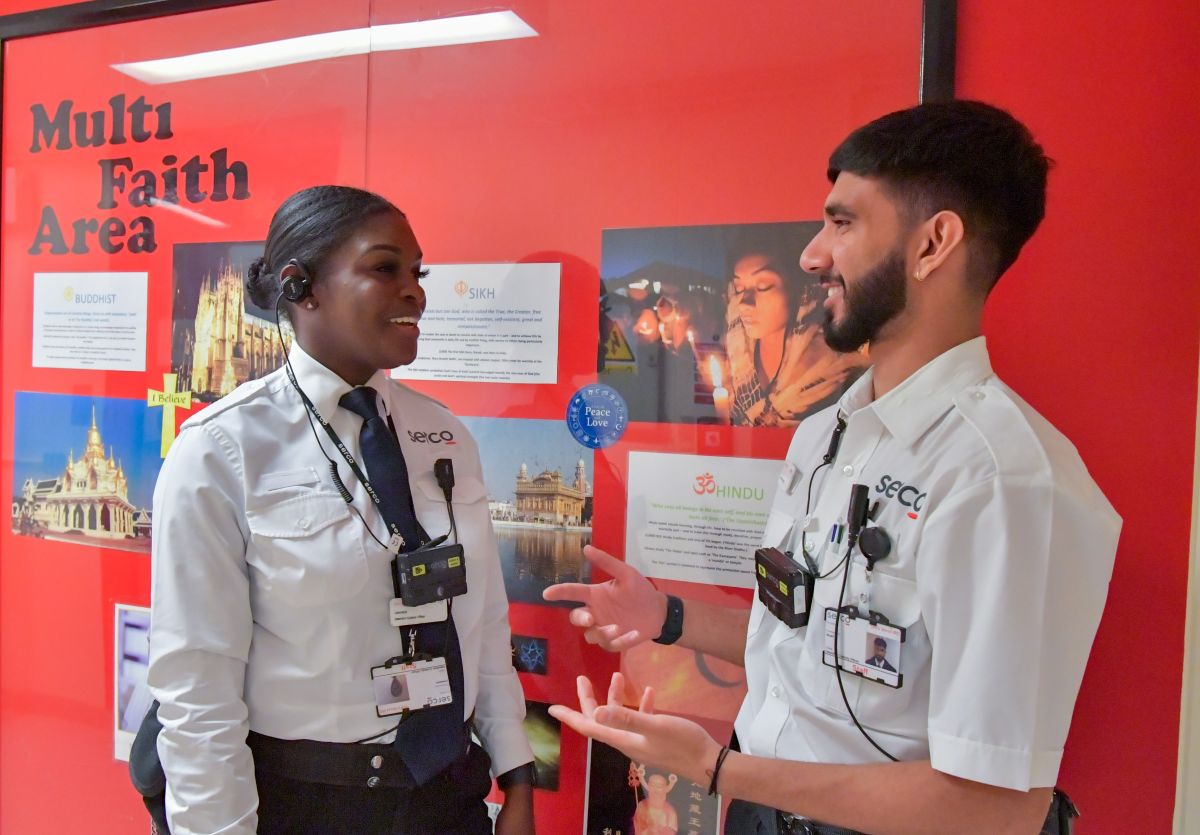
It's a role that brings together security, responsibility and people skills. Residents may have experienced trauma before arriving at Derwentside, and some may be particularly vulnerable or experiencing distress or mental health difficulties. For DCOs, this means being able to balance professional boundaries and security responsibilities with empathy, kindness and respect.
We take a closer look at what the role involves, what makes working at Derwentside different and why no two days are the same.
What is Derwentside Immigration Removal Centre like?
Derwentside is a fully contained Immigration Removal Centre in Consett, County Durham, housing up to 80 adult women.
Residents include a mixture of time-served foreign national offenders and immigration offenders. Many women may have experienced traumatic experiences such as trafficking or abuse before arriving at the centre, so understanding and being sensitive to their individual needs is an important part of the role.
The centre provides a range of support and services, including healthcare, welfare, faith and cultural support, education and recreational activities. Residents are also given as much freedom and movement as possible within the secure environment.
Residents include a mixture of time-served foreign national offenders and immigration offenders. Many women may have experienced traumatic experiences such as trafficking or abuse before arriving at the centre, so understanding and being sensitive to their individual needs is an important part of the role.
The centre provides a range of support and services, including healthcare, welfare, faith and cultural support, education and recreational activities. Residents are also given as much freedom and movement as possible within the secure environment.
Starting the day
"Derwentside operates 24 hours a day, seven days a week, so DCOs work a variety of shifts, including days, nights, weekends and Bank Holidays.
Every shift brings different priorities. DCOs need to stay alert to what is happening around them, communicate effectively with colleagues and residents, and be prepared to respond calmly when situations change.
There are also important routines and administrative responsibilities to manage, helping to keep the centre running safely and effectively."
Every shift brings different priorities. DCOs need to stay alert to what is happening around them, communicate effectively with colleagues and residents, and be prepared to respond calmly when situations change.
There are also important routines and administrative responsibilities to manage, helping to keep the centre running safely and effectively."
Supporting residents
"One of the most important parts of being a DCO is understanding the people you're supporting.
For some residents, immigration detention can be a distressing experience. Previous trauma, vulnerability or mental health difficulties can all affect how someone responds to their surroundings.
DCOs need to be sensitive to these circumstances while maintaining appropriate professional boundaries.
That could mean recognising when someone needs additional support, helping them access healthcare or welfare services, or simply treating them with dignity and respect during everyday interactions."
For some residents, immigration detention can be a distressing experience. Previous trauma, vulnerability or mental health difficulties can all affect how someone responds to their surroundings.
DCOs need to be sensitive to these circumstances while maintaining appropriate professional boundaries.
That could mean recognising when someone needs additional support, helping them access healthcare or welfare services, or simply treating them with dignity and respect during everyday interactions."
Balancing care and security
"The role isn't simply about security – and it isn't simply about care.
DCOs are responsible for maintaining safety and security within the centre, while also supporting resident welfare. This balance is at the heart of the role.
Security responsibilities can include enforcing rules, preventing disorder or escapes, conducting searches and using restraint as a last resort.
At the same time, DCOs support residents with their routines, monitor wellbeing and help provide access to healthcare, welfare, faith, cultural and recreational services.
It takes sound judgement to understand what each situation requires and respond appropriately."
DCOs are responsible for maintaining safety and security within the centre, while also supporting resident welfare. This balance is at the heart of the role.
Security responsibilities can include enforcing rules, preventing disorder or escapes, conducting searches and using restraint as a last resort.
At the same time, DCOs support residents with their routines, monitor wellbeing and help provide access to healthcare, welfare, faith, cultural and recreational services.
It takes sound judgement to understand what each situation requires and respond appropriately."
Building trust and showing respect
"Communication is a key part of the DCO role.
Building rapport with residents can help create a positive and respectful environment, while clear communication is also essential when managing challenging situations.
At Derwentside, empathy and respect are particularly important. Some residents may have experienced significant trauma, so DCOs need to approach people with sensitivity while maintaining the professional standards expected in a secure environment.
It's about seeing the person, while also understanding the responsibilities that come with the role."
Building rapport with residents can help create a positive and respectful environment, while clear communication is also essential when managing challenging situations.
At Derwentside, empathy and respect are particularly important. Some residents may have experienced significant trauma, so DCOs need to approach people with sensitivity while maintaining the professional standards expected in a secure environment.
It's about seeing the person, while also understanding the responsibilities that come with the role."
No two days are the same
"Although there are important routines and procedures to follow, the role can be varied.
One shift could involve supporting residents with their day-to-day needs, carrying out security responsibilities and completing administrative tasks. Another could involve responding to an incident, supporting a vulnerable resident or working with colleagues to resolve a challenging situation.
DCOs also support arrivals and departures, maintain records, log incidents and complete legal or immigration-related paperwork.
Being able to adapt while maintaining calmness and professionalism is essential."
One shift could involve supporting residents with their day-to-day needs, carrying out security responsibilities and completing administrative tasks. Another could involve responding to an incident, supporting a vulnerable resident or working with colleagues to resolve a challenging situation.
DCOs also support arrivals and departures, maintain records, log incidents and complete legal or immigration-related paperwork.
Being able to adapt while maintaining calmness and professionalism is essential."
Working as a team
"DCOs are part of a wider team, working alongside colleagues and other professionals to support residents and maintain the safe operation of the centre.
Teamwork is particularly important when managing challenging situations. Colleagues need to communicate clearly, support one another and work together to de-escalate incidents where possible.
It's a role where everyone has a part to play."
Teamwork is particularly important when managing challenging situations. Colleagues need to communicate clearly, support one another and work together to de-escalate incidents where possible.
It's a role where everyone has a part to play."
The skills you'll need
"You don't need to have worked in an Immigration Residential Centre before to bring the right skills to the role.
You'll need to be a confident communicator who can interact respectfully with residents and professionals.
You'll also need to stay calm under pressure, including when dealing with volatile or aggressive behaviour, and have good attention to detail when completing records and following legal processes.
Most importantly, you'll need empathy and respect, alongside high ethical standards, confidentiality, fairness and professionalism."
You'll need to be a confident communicator who can interact respectfully with residents and professionals.
You'll also need to stay calm under pressure, including when dealing with volatile or aggressive behaviour, and have good attention to detail when completing records and following legal processes.
Most importantly, you'll need empathy and respect, alongside high ethical standards, confidentiality, fairness and professionalism."
The rewards
"Being a DCO can be challenging, but it can also be incredibly rewarding.
You'll have the opportunity to make a difference to someone's experience during what may be a difficult and uncertain period of their life, while also helping to maintain a safe and secure environment.
For people who enjoy working with others, staying calm under pressure and having a role with real responsibility and purpose, it can be a career where you never quite know what the next shift will bring."
You'll have the opportunity to make a difference to someone's experience during what may be a difficult and uncertain period of their life, while also helping to maintain a safe and secure environment.
For people who enjoy working with others, staying calm under pressure and having a role with real responsibility and purpose, it can be a career where you never quite know what the next shift will bring."
Could this role be for you?
If you're looking for a role where security, responsibility and supporting people come together, becoming a Detention Custody Officer at Derwentside could be your next step.
You don't need previous experience in immigration or detention. What matters is how you work with people: communicating clearly, treating others with dignity, staying calm when situations are challenging and working professionally as part of a team.
Ready to make an impact? Explore Detention Custody Officer opportunities at Derwentside and discover where a career with Serco could take you.
You don't need previous experience in immigration or detention. What matters is how you work with people: communicating clearly, treating others with dignity, staying calm when situations are challenging and working professionally as part of a team.
Ready to make an impact? Explore Detention Custody Officer opportunities at Derwentside and discover where a career with Serco could take you.