

Careers
A Day in the Life of a Prison Custody Officer
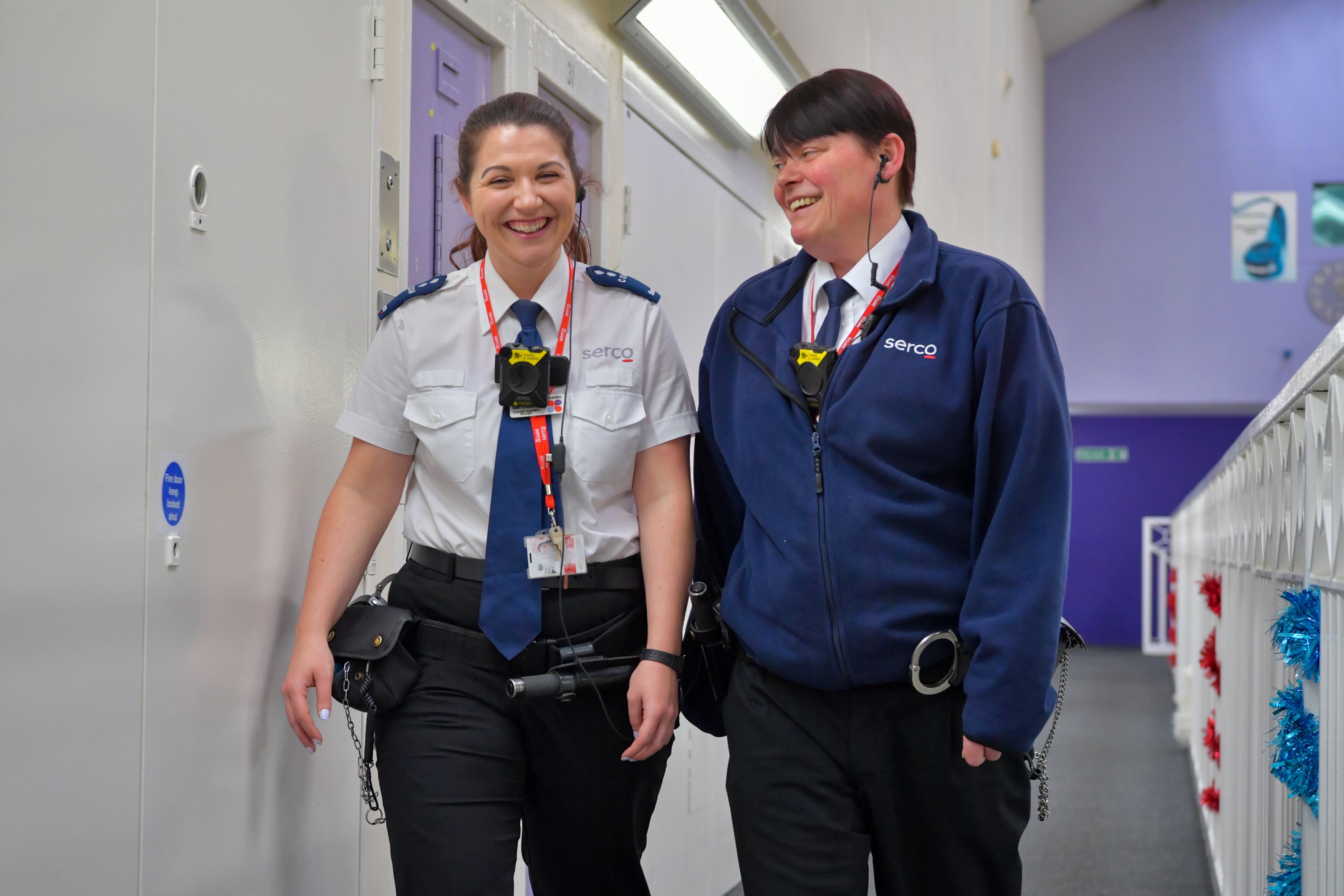
Working as a Prison Custody Officer is a career many people may not have considered in depth before — yet our PCOs play a vital role in keeping prisons safe, secure and running smoothly every day.
To give an insight into what the role is really like, we asked one of our PCOs to talk us through a typical day inside the prison, from the daily routines and responsibilities to the challenges and rewarding moments that come with the job.
Morning routine
At the start of the day, prison officers arrive at the facility, typically about half an hour before their shift begins. This early start allows time to gather essential equipment and attend a briefing with their manager. Here, they review incidents from the previous night and check on the well-being of prisoners under special observation. This crucial morning ritual sets the tone for a day filled with challenges and opportunities for connection.
Starting the shift
Once the shift officially begins, officers dive into their responsibilities with purpose. They conduct welfare checks on each of the prisoners in their wing, engaging in brief yet meaningful interactions to assess their well-being and mood. This early moment is pivotal; some prisoners may wake up in a bad mood, and navigating potential confrontations requires a level head and a calm demeanour.
Supervising the movement of prisoners to various activities — like education, workshops, or healthcare appointments — adds an extra layer of complexity. Each prisoner has their own agenda, and officers must maintain order while fostering an environment of growth. Daily security checks of each cell are essential, ensuring everything from windows to locks is intact and that there are no signs of escape or damage.
During this time, officers also focus on Assessment, Care in Custody, and Teamwork (ACT). They regularly update documentation for prisoners at risk of self-harm, ensuring all observations are meticulously logged. This diligence is vital for providing the best care possible.
Supervising the movement of prisoners to various activities — like education, workshops, or healthcare appointments — adds an extra layer of complexity. Each prisoner has their own agenda, and officers must maintain order while fostering an environment of growth. Daily security checks of each cell are essential, ensuring everything from windows to locks is intact and that there are no signs of escape or damage.
During this time, officers also focus on Assessment, Care in Custody, and Teamwork (ACT). They regularly update documentation for prisoners at risk of self-harm, ensuring all observations are meticulously logged. This diligence is vital for providing the best care possible.
step 3:
Mid-morning tasks
As the morning unfolds, officers oversee prisoners assigned to cleaning duties, ensuring tasks are completed to standard and logged for proper remuneration. One-on-one ‘key worker’ sessions with prisoners take place, where officers connect with around 10 individuals (or up to 20 during busy periods). These conversations are invaluable, addressing any issues they have, either within the prison or in their preparations for life after release.
Afternoon routine
After supervising the return of prisoners from their activities, officers manage mealtimes — a potential flashpoint for incidents.
They then continue tasks: welfare checks, security inspections, and key worker sessions. Each interaction is an opportunity to build rapport, fostering trust and respect.
They then continue tasks: welfare checks, security inspections, and key worker sessions. Each interaction is an opportunity to build rapport, fostering trust and respect.
Challenges and rewards
The role of a prison officer demands constant vigilance and adaptability. Officers must wear many hats throughout the day — teacher, counsellor, first aider, parent. Each day brings unique challenges, making it more than just a job; it’s a lifelong commitment to supporting others and contributing to the community.
Facing verbal abuse and navigating unimaginable scenarios is part of the territory. To thrive, officers must cultivate resilience, a thick skin, and unwavering professionalism. These traits not only help them handle criticism constructively but also ensure they deliver quality care under pressure.
Amidst the challenges lie profound rewards. Moments like helping a prisoner learn to read, reconnecting them with their families, or finding post-release job opportunities are what make the role fulfilling. Workshops — ranging from optician services to bicycle repairs — showcase the creativity and potential within the prison population.
Facing verbal abuse and navigating unimaginable scenarios is part of the territory. To thrive, officers must cultivate resilience, a thick skin, and unwavering professionalism. These traits not only help them handle criticism constructively but also ensure they deliver quality care under pressure.
Amidst the challenges lie profound rewards. Moments like helping a prisoner learn to read, reconnecting them with their families, or finding post-release job opportunities are what make the role fulfilling. Workshops — ranging from optician services to bicycle repairs — showcase the creativity and potential within the prison population.
As a PCO, you'll discover more opportunities to learn, grow, and make a real impact than you ever imagined. Take your first step into a rewarding career today.
Opportunities at HMP Ashfield (Bristol), HMP Doncaster (Doncaster), HMP Dovegate (Uttoxeter), HMP Fosse Way (Leicester) and HMP Thameside (London).