

Careers

10 Things Our Detention Custody
Officers Want You to Know
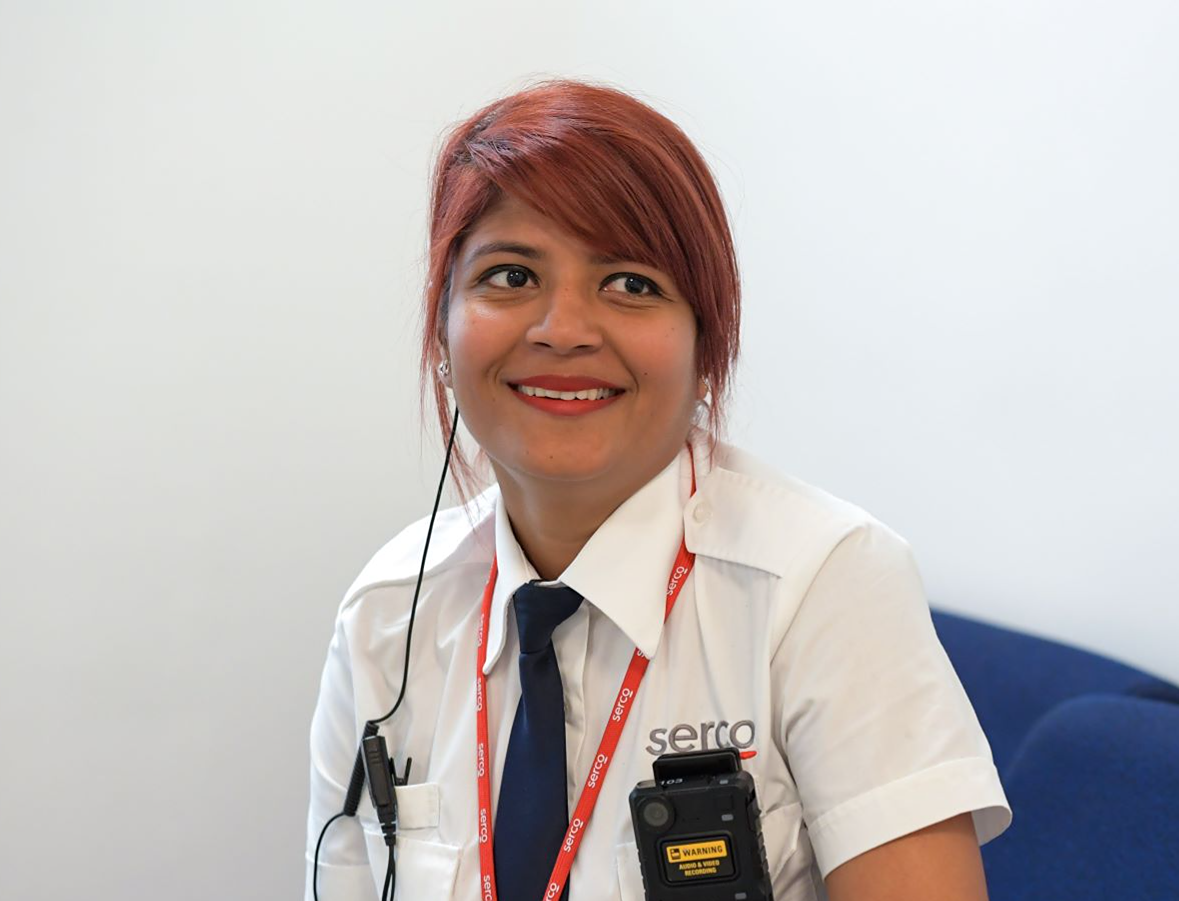
Thinking about becoming a Detention Custody Officer? Our colleagues share 10 things they want you to know about working as a DCO, from the importance of compassion and teamwork to the challenges, training and rewards of the role.

Being a Detention Custody Officer (DCO) isn't your average job. It's challenging, rewarding, unpredictable and, above all, centred around people.

We asked our DCO colleagues to share what they wish more people knew about the role — from the misconceptions they had before joining to the moments that make them proud to come to work.
Here are 10 things they want you to know:

One of the biggest misconceptions our colleagues had before joining was that the role would be primarily about discipline and security.

In reality, being a DCO is highly social and people-focused.

“You need a certain amount of maturity and internal strength. As well as compassion, which is really important. It’s not all about disciplinarianism. But you have to be capable of that.”
— Jonathan, DCO

"When you finish a shift feeling like you've genuinely made a difference to someone's day, it's one of the most rewarding parts of the job."
— DCO colleague

Building positive relationships with residents, supporting colleagues and communicating effectively are all important parts of the job.

Several colleagues said they hadn't expected just how much interaction the role would involve.

From talking to residents and helping them understand what's happening, to supporting families and working closely with colleagues, communication is a big part of everyday life.

Jonathan described the role in three words as “character building, caring and social”, while another colleague summed it up as requirng “resilience, empathy and care.”

Another misconception our colleagues had was that everyone they supported would be a criminal or a “bad person”.

The reality is more complicated.

“I thought it would be more stressful working with the residents. At the end of the day the one thing that sticks in my mind from the training is that we are here to help them and not judge them.”
— Blaga, DCO

“We are there to support people, not judge them. No matter their circumstances, they're still people who deserve to be treated with dignity and respect.”
— DCO colleague

That approach is particularly important when someone first arrives. They may be confused, frightened or unsure of what is happening.

Helping them understand their situation and building trust can make a real difference.

If you like the idea of a job where no two days are quite the same, this could be for you.

One colleague described the role as “meaningful, dynamic and essential”, while another called it “fun, rewarding and challenging.”

DCO Danny particularly enjoys the variety: “Some days are quiet, some are full on. I love the unpredictability of the job.”

You need to be able to adapt, stay calm and respond to whatever the day brings.

Being supportive doesn't mean losing your professionalism.

DCOs need to balance empathy with boundaries and the responsibility that comes with working in a secure environment.

That means knowing when to listen, when to provide reassurance and when to follow the right processes.

As one colleague put it, the role as being “professional, rewarding and challenging.”

There are lots of ways DCOs support residents, and sometimes it's as simple as being approachable and taking the time to listen.

Colleagues told us about helping residents through difficult moments, answering questions and giving them support.

“When they first come in they can be confused and frightened. Giving them useful information helps them to take control of their lives again.”
— Jonathan, DCO

“It's important to build a trusting relationship to allow them to be open and to talk to us if they are having any problems or if they feel they are in danger - or if they just need to talk if they aren’t in a good mindset.”
— Falone, DCO

You won't do this job alone.

Being a team player came through strongly in the responses, with colleagues highlighting how important it is to support one another.

“You will spend a lot of time with your colleagues and you need to look out for each other.”
— DCO colleague

That sense of teamwork can be particularly important on the more challenging days.

Our colleagues were honest about the realities of the role, too.

The shifts can be long, and that's something to think about before applying.

But for those who enjoy the work, the challenge and the variety can make it worthwhile.

“Be open to a challenge and if you like talking to people. Just think about the hours as they are long.”
— Falone, DCO

There’s a lot more to the role than the practicalities. The shifts can be long and the work can be challenging, but for colleagues who enjoy working with people, being part of a team and making a difference, the rewards can make it worthwhile.

As one colleague mentioned, there's a lot more to it than you might think!

Training gives you the foundation you need to get started, and our colleagues say you then really develop once you're doing the job.

“You only really learn the job once you are off the training course. Training provides the groundwork and guidance.”
— DCO colleague

Every day brings new situations, conversations and opportunities to learn.

And as your confidence grows, so does your ability to make a difference.

Perhaps the most consistent message from our DCOs was that this isn't an ordinary job.

It's challenging. It's different. It can be difficult.

But it's also incredibly rewarding.

“If I had to describe the role in three words, I'd day: Rewarding, Eye-opening and Different!”
- Kerry, DCO

“If it’s the job for you, then it’s an excellent job to be in and that’s the truth.”
— Danny, DCO

So, if you're resilient, compassionate, comfortable talking to people and ready for something different, why not give it a go?

You might discover a career you didn't know existed.

Interested in being part of it? Learn more today.
Detention Custody Officer careers
Join our team